



Are you tired of wondering whether your study routine is working? Many UK learners get stuck when apps and casual practice do not improve their speaking skills. You want to see meaningful progress, not just maintain daily streaks.
Finding a qualified online German tutor in the UK can help solve this problem. The right teacher will tailor lessons to your goals, correct mistakes promptly and help you stay on track.
However, finding the right tutor can be difficult. The quality of lessons varies, qualifications can be hard to assess, and the number of options can feel overwhelming.
This guide will help you make an informed choice. You will learn how to assess your current skill level, identify a suitable teacher and compare online lesson providers. Each step is practical and easy to follow.
By the end, you will know how to choose trustworthy, professional lessons instead of relying only on apps or unverified tutors.
Key Takeaways
- Structured, professional lessons can develop skills that apps or casual practice alone may not address.
- Checking an instructor’s qualifications, experience and teaching style can prevent wasted time and money.
- Comparing lesson providers side by side helps you evaluate quality, support and overall value.
- Knowing your current skill level guides you towards lessons matched to your goals.
- A dedicated teacher offers accountability and direct feedback that solo study cannot provide.
- This guide walks you through every step, from initial assessment to your final decision.
1. Determine Your Learning Goals and Proficiency Level
Not all German learners need the same kind of guidance. It is important to reflect on your goals and current level before choosing a tutor. Knowing what you want to achieve and where you are now will guide your decisions, from teaching style and lesson frequency to budget.
Assess Your Current German Proficiency Level
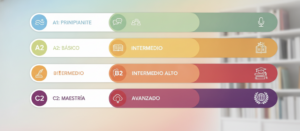
The Common European Framework of Reference for Languages, or CEFR, provides a useful way to describe German proficiency. It ranges from A1 for beginners to C2 for highly proficient users and covers reading, writing, listening and speaking.
A reputable online placement test can give you an initial estimate of your level, although automated tests may not fully assess speaking and writing. If you are new to the language, look for a German tutor for beginners who can help you build a strong foundation in grammar, vocabulary and pronunciation.
Define Your Learning Objectives (Exams, Travel, Career or Conversation)
UK learners study German for many reasons. Some need German language exam preparation for a Goethe-Zertifikat, TestDaF or GCSE. Others want to travel, communicate with family or improve their workplace skills.
Write down your main goal and any relevant timeline before beginning your search. This clarity will help you explain your needs and evaluate whether a tutor’s approach is suitable.
| CEFR Level | Skill Description | Typical Learner Goal |
|---|---|---|
| A1–A2 | Basic phrases, everyday vocabulary and simple exchanges | Travel, casual interest or building beginner skills |
| B1–B2 | Independent communication, workplace discussions and personal opinions | Career development, study abroad or confident conversation |
| C1–C2 | Fluent, nuanced expression and advanced comprehension | Advanced exams, academic study or professional communication |
2. What to Look for in the Best Online German Tutor
Before you choose a German tutor, you need a clear plan. Not every teacher offers the same skills, and choosing solely on price can lead to disappointment. Here is what to consider when comparing tutors.
Verify Qualifications and Teaching Experience
Ask about the tutor’s relevant credentials and experience. Useful indicators may include a degree in language education, recognised teacher training, specialist German-teaching qualifications or substantial experience teaching learners at your level.
A native German-speaking tutor may offer valuable insight into natural usage, pronunciation and culture. A well-trained non-native teacher may be particularly good at anticipating common difficulties and explaining grammar from a learner’s perspective. Teaching ability and suitability for your goals matter more than native-speaker status alone.
Assess Teaching Style and Lesson Structure
One-to-one German tutoring should allow you to learn at an appropriate pace. Your tutor should adapt lessons to your needs rather than applying the same plan to every student.
Depending on your level and goals, a useful lesson plan may include:
- Grammar practice matched to your level
- Speaking practice based on realistic situations
- Vocabulary and insights into German-speaking cultures
- Homework review and progress tracking

Compare Pricing Plans and Packages
German tutor pricing in the UK varies according to the teacher’s experience, qualifications, specialisation, lesson length and level of support. Instead of relying on a headline price, compare what each lesson or package includes.
| Lesson Format | What to Check | Best For |
|---|---|---|
| Single lesson | Lesson length, materials and whether feedback is included | Assessing a new tutor before making a longer commitment |
| Multi-lesson package | Expiry dates, rescheduling terms and consistency of teacher | Regular learners working towards a defined goal |
| Ongoing lesson plan | Booking flexibility, progress reviews and cancellation policy | Learners who want structure and continuing support |
Do not simply choose the cheapest option. Consider lesson length, cancellation terms, teacher continuity, preparation, materials and any feedback provided between lessons.
Check Reviews and Book an Introductory Lesson
Read German tutor reviews from verified learners where possible. Look for consistent comments about reliability, clarity, preparation, feedback and experience with goals similar to yours.
If available, book a trial German lesson or introductory session. This gives you an opportunity to assess the tutor’s communication style, lesson structure and understanding of your goals before making a longer commitment.
3. Choosing the Right Platform and Tools
Finding the right lesson provider is an important part of making progress in German. Even an excellent tutor may not be a good fit if the technology is unreliable, booking is difficult or the service does not provide the support you need. This section explains how to compare providers and prepare your study space.
How to Compare Online Tutoring Providers for UK Learners
When comparing online language learning platforms for German, focus on teacher quality, lesson structure, scheduling, customer support and transparent policies. Look for a service that allows you to explain your goals and find a teacher with relevant experience in areas such as conversation, exams or German for business.
At Your Native Teacher, learners can work online with qualified teachers and receive personalised guidance based on their goals. Whichever provider you consider, check whether lessons are genuinely live and teacher-led, how instructors are selected, and what happens if you need to reschedule or change teachers.
When evaluating the best German tutoring websites, review the following points before booking:
| Selection Criterion | What to Look For | Why It Matters |
|---|---|---|
| Teacher quality | Relevant qualifications, teaching experience and clear profiles | Helps you choose a teacher suited to your level and objectives |
| Lesson format | Live one-to-one teaching, personalised materials and direct feedback | Supports focused learning rather than passive study |
| Scheduling | Suitable availability and clear rescheduling terms | Makes it easier to maintain a consistent routine |
| Learner support | Responsive assistance, progress tracking and a clear process for changing teachers | Provides support if your needs or circumstances change |
Independent Tutors vs Established Language-Lesson Providers
Choosing between an independent tutor and an established lesson provider depends on your priorities. Independent tutors may offer flexibility and can be suitable for focused German conversation practice or a particular specialist topic.
Established providers may offer a more structured booking process, progress tracking, customer support and help finding another teacher if your original match is unsuitable. Policies and support vary, so read the terms rather than assuming that every provider offers the same protections.
An independent tutor may suit a self-motivated learner who is comfortable managing the arrangement. A teacher-led provider may be preferable if you value structure, consistent support and a clearer learning plan.
Ensure You Have the Right Technology Setup
Reliable technology is essential for learning German online. Before your first lesson, make sure you have:
- A reliable video-conferencing tool
- A stable internet connection that supports video calls
- A headset or microphone that produces clear audio
- Access to shared documents or a digital whiteboard if required
Your tutor may also recommend vocabulary apps, spaced-repetition tools or online exercises for extra practice. These can support revision between classes, but they work best as supplements to live lessons and personalised feedback.
4. Conclusion
Finding the best online German tutor starts with understanding what you need. Your goals should guide your decisions about teaching style, lesson structure, frequency and budget.
Before committing, review the tutor’s qualifications and relevant experience, read verified feedback and arrange an introductory lesson where possible. These steps can help you avoid an unsuitable match.
The right tutor can make learning German clearer, more focused and more enjoyable. Personalised lessons allow a teacher to address your mistakes, adapt activities to your level and help you build the skills most relevant to your goals.
You now have a practical framework for comparing tutors and online lesson providers. Begin by identifying your level and objectives, then speak to potential teachers about how they would structure your learning. A suitable teacher should leave you feeling supported, appropriately challenged and clear about your next steps.