


Ever wondered why some learners speak confidently within months while others take years to reach a similar level? There’s no single answer that applies to everyone.
Your English fluency journey depends on several personal factors. Your native language, daily study time, learning methods, and opportunities to interact with proficient English speakers all shape your timeline.
This guide explains realistic expectations for each proficiency level. You’ll discover what fluency can look like, a stage-by-stage roadmap, and practical strategies for making steady progress.
We’ll use the CEFR (Common European Framework of Reference for Languages) as a widely recognised benchmark throughout this article. This international framework can help you understand where you are and what skills to develop next.
Ready for an honest, practical answer? Let’s map out your path forward.
Key Takeaways
- Fluency timelines vary widely based on factors such as your native language and daily practice.
- The CEFR framework provides a useful method for tracking your proficiency level.
- Regular interaction with proficient speakers can support faster progress.
- Effective learning methods matter more than simply logging hours.
- Understanding what fluency means helps you set realistic, motivating goals.
- A stage-by-stage roadmap can make the journey feel achievable rather than overwhelming.
- Consistent practice often matters more than natural talent alone.
1. What Does It Really Mean to Be Fluent in English?
Ask ten different people what English fluency means, and you’ll likely get ten different answers. Some think it means speaking without an accent. Others believe it requires knowing every grammar rule by heart. Neither definition is accurate, and this confusion is one reason learners can feel discouraged.
The practical meaning of English fluency has little to do with perfection. Fluency means being able to communicate confidently and effectively. You can follow real-time conversations and share complex ideas without constantly freezing or translating word for word in your head. It is about smooth, natural communication, not flawless grammar or a native-sounding accent.
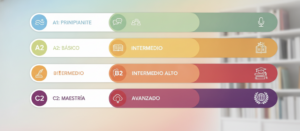
To describe language ability more objectively, teachers and learners often use the CEFR levels for English. CEFR stands for the Common European Framework of Reference for Languages. Schools, employers, and examination organisations use this framework to describe language proficiency. It divides language ability into six broad levels, from beginner to highly proficient.
Here’s a simplified breakdown of what each CEFR level can look like in practice:
| CEFR Level | Stage Name | Speaking Ability | Real-World Example |
|---|---|---|---|
| A1–A2 | Beginner | Uses simple phrases and basic introductions | Ordering food or asking for directions |
| B1 | Intermediate | Handles familiar situations and expresses straightforward opinions | Chatting with a colleague about weekend plans |
| B2 | Upper Intermediate | Discusses a range of topics with reasonable ease | Discussing current events at a dinner party |
| C1 | Advanced | Expresses ideas spontaneously, flexibly, and precisely | Leading a business meeting in English |
| C2 | Highly Proficient | Understands and communicates nuanced meaning with ease | Writing complex academic work or negotiating contracts |
Notice how the goal changes depending on your purpose. If you want to handle everyday conversations, reaching a solid B1 or B2 level might feel like fluency to you. If your goal involves writing university essays, giving detailed presentations, or handling complex business negotiations, you may need to work towards C1 or C2.
This is why conversational fluency and professional fluency are not the same thing. Someone chatting comfortably at a London café needs different skills from someone drafting legal documents. Both may communicate fluently within their own contexts.
Fluency, then, is not a single finish line that you cross once. It is a spectrum, and your ability may vary across speaking, listening, reading, and writing. Understanding this removes the pressure to chase impossible “perfect English” and lets you focus on progress that matters for your goals.
2. How Long Does It Take to Become Fluent in English?
The journey from basic phrases to confident communication can be divided into practical stages. You can use the CEFR framework to set goals for each step, but no framework can provide a guaranteed completion date.
The estimates below assume roughly one to two hours of focused daily practice, including active speaking and listening. They are broad planning ranges rather than promises. Your pace will depend on your starting point, learning background, practice quality, and exposure to English.
2.1 Beginner to Intermediate (A1 to B1): Approximately 3–6 Months
Some dedicated learners can progress from beginner to intermediate English in approximately three to six months. Others will need longer, especially if they have limited study time or few opportunities to practise.
At this stage, you’ll develop basic grammar and everyday vocabulary. You’ll become better at tasks such as ordering food, asking for directions, introducing yourself, and discussing familiar topics. You’ll also build control of common verb tenses and sentence structures.
Be patient during this stage. Small daily improvements add up as your understanding of the basics becomes more secure.

2.2 Intermediate to Advanced (B1 to C1): Approximately 6–12 Months or Longer
Moving from intermediate to advanced English may take six to twelve months of intensive, consistent work, although many learners need longer. This is a substantial jump that requires more than learning additional grammar rules.
You’ll work on discussing abstract topics, expressing complex ideas clearly, and understanding a wider range of English media. You’ll also need to develop accuracy, flexibility, and vocabulary suited to your personal, academic, or professional goals.
Many learners experience a plateau here. To keep improving, combine independent study with regular speaking, writing, and personalised feedback rather than relying only on passive study.
2.3 Advanced to Highly Proficient (C1 to C2): Often 1–2 Years or Longer
Moving from C1 to C2 often takes one to two years or longer because improvements become more subtle at advanced levels. This stage focuses on precision, flexibility, pronunciation, register, and cultural nuance.
You may become better at understanding humour, sarcasm, implied meaning, and regional expressions. Communication can feel increasingly natural, even in demanding academic or professional situations.
C2 represents a very high level of proficiency, but it does not mean that a learner has become a native speaker. Strong C1 skills are sufficient for many professional, academic, and everyday situations.
| CEFR Stage | Illustrative Timeframe | Key Skills Developed | Practice Requirements |
|---|---|---|---|
| A1 to B1 | Approximately 3–6 months or longer | Basic grammar, everyday vocabulary, and familiar conversations | Regular active study and basic speaking practice |
| B1 to C1 | Approximately 6–12 months or longer | More precise expression, abstract discussion, and media comprehension | Intensive practice, varied input, and regular feedback |
| C1 to C2 | Often 1–2 years or longer | Precision, cultural nuance, flexible communication, and advanced comprehension | Sustained use in complex academic, professional, or social contexts |
These ranges are illustrations, not guarantees. Be cautious of quick-fluency claims. Your progress depends on the quality and consistency of your effort, exposure, feedback, and active practice.
3. Step-by-Step Guide to Speeding Up Your Fluency Journey
Becoming fluent in English is not just a matter of luck or talent. It depends on using effective strategies consistently. This guide turns the timeline from Section 2 into a practical plan. Follow these four steps to make steady progress through each stage.
3.1 Step 1: Immerse Yourself in English Every Day
Immersion helps your brain process English more directly instead of translating every sentence first. You do not need to move to London or New York to immerse yourself. Small daily changes can make a meaningful difference.
These English immersion techniques are useful for learners at different levels:
- Change the language settings on your phone, laptop, and selected social media accounts to English.
- Watch British, American, or other English-language programmes with English subtitles, then gradually try short sections without subtitles.
- Listen to English podcasts or radio programmes during your commute or workout.
- Practise forming simple thoughts in English instead of translating everything from your native language.
These habits help you become familiar with English rhythm, informal language, and everyday expressions that textbooks may not fully cover.
3.2 Step 2: Practise Speaking from Day One
Many learners wait to speak until they feel “ready,” but this can slow their progress. The best way to practise speaking English is to begin early, accept mistakes, and use feedback to improve.
- Use language-exchange platforms as a supplementary way to have informal conversations.
- Join a local or online conversation club that matches your level.
- Talk to yourself aloud while describing your day or completing simple tasks.
- Record short voice notes and listen back to identify pronunciation or grammar issues.
- Work with a qualified teacher when you need structured speaking practice and personalised correction.
At Your Native Teacher, learners can take live online lessons with qualified teachers and receive guidance based on their level and goals. Teacher-led practice can be particularly useful when you need accurate feedback, professional English, or a structured plan.
Speaking early can build confidence and help you develop clearer pronunciation. Fear of mistakes is a common barrier to fluency, so treat errors as useful information rather than failures.
3.3 Step 3: Expand Vocabulary Through Reading and Listening
Building a strong English vocabulary requires regular exposure to meaningful language, not just memorising isolated words. Reading and listening can also help you notice grammar and sentence patterns in context.
| Level | Reading Resources | Listening Resources | Focus Skill |
|---|---|---|---|
| Beginner (A1–A2) | Graded readers and short learner-friendly articles | Slow-paced podcasts and children’s audiobooks | Basic vocabulary recognition |
| Intermediate (B1–B2) | News articles, short novels, and blog articles | News podcasts and educational talks | Sentence structure and idiomatic language |
| Advanced (C1–C2) | Literary fiction and academic or professional publications | Unscripted interviews and audiobooks at natural speed | Nuance, tone, and context-sensitive expressions |
Active listening is just as important as reading. Pause recordings to repeat useful phrases, write down expressions, or use English subtitles to check what you heard. This approach reinforces vocabulary from several angles.
3.4 Step 4: Track Progress and Set Milestones
Tracking your progress can keep you motivated and reveal where you need more practice.
- Keep a language journal noting new words, recurring mistakes, and small daily wins.
- Use a CEFR-aligned assessment periodically to estimate your current level.
- Record yourself speaking once a month, then compare recordings over time.
- Set practical milestones, such as ordering coffee in English, participating in a meeting, or watching a film with English subtitles.
These checkpoints make a long journey easier to manage. Each milestone provides evidence of improvement and helps you choose the next skill to develop.
4. Conclusion
Becoming fluent in English is not a mystery with a fixed deadline. Your journey depends on your starting point, available time, goals, and quality of practice. What matters most is working consistently and recognising each small improvement.
As you move from basic communication towards confident conversation and advanced skills, each stage requires patience. You do not need perfect English before you start speaking. Progress comes from practice, reflection, and useful feedback.
Use the English-learning tips shared here: immerse yourself in the language daily, speak from the start, read and listen actively, and track your progress. These habits can help bridge the gap between your current level and your goals.
Fluency comes from consistent effort rather than occasional bursts of intensive study. Even a short focused session is better than doing nothing, but substantial progress requires enough regular practice across speaking, listening, reading, and writing.
Begin today by choosing one habit from this guide. The sooner you start using English meaningfully, the sooner it can become a natural part of your daily life.