



Ever wondered why some people learn a language quickly while others take years? Consistency is often an important part of the answer.
Deciding how often to take language lessons can be difficult, especially with so many learning options available.
Choosing a realistic practice schedule now can save you time and frustration later.
Your ideal schedule depends on your goals, skill level, and how much time you can dedicate each week.
A busy professional needs a different plan from a student aiming for fluency within a specific timeframe.
This guide will help you find the right lesson and practice frequency for steady progress. Whether you supplement your learning with an app, work online with a qualified teacher, or attend local classes, you’ll find a practical plan for your situation.
You’ll leave with a clear, practical answer that fits your life.
Key Takeaways
- Consistency matters, but both the quality and total amount of study time influence progress.
- Your ideal schedule depends on your goals, current skill level, and available time.
- Beginners often make faster progress with regular lessons and short practice sessions between them.
- A busy schedule doesn’t have to stop you from making steady progress.
- Qualified teachers, local classes, and supplementary self-study tools offer flexible ways to learn.
- This guide will help you build a personalized plan that fits your life.
1. Factors That Determine How Many Language Lessons You Need
Four key factors help determine whether you need daily practice or just a couple of weekly lessons. There’s no one-size-fits-all formula because everyone starts from a different place and wants different results. Understanding these variables helps you create a learning schedule that fits your life.
Before booking your next lesson, think about your goals, current abilities, calendar, and preferred ways of learning. These four elements help shape the right lesson frequency for you.
1.1 Your Fluency Goals and Timeline
Your language learning goals shape your study plan. Someone preparing for a two-week vacation to Mexico has different needs from someone developing business fluency in French for a job relocation.
The vacationer might only need survival phrases, basic greetings, and restaurant vocabulary. A few focused lessons per week for a month could cover that ground effectively.
The professional aiming for workplace fluency faces a much steeper climb. That person is likely to need several lessons a week over many months, paired with consistent practice, to develop the skills required for tasks such as negotiating contracts or leading meetings.
Write down your specific goal and target date. This step can help reveal how many lessons you realistically need each week.
1.2 Your Current Skill Level
Your language skill level plays a major role in determining ideal lesson frequency. Absolute beginners typically benefit from regular lessons and frequent short practice sessions because they’re building new habits, from pronunciation to basic grammar patterns.
Frequent exposure helps reinforce these foundational skills. Advanced learners, on the other hand, may need fewer formal lessons, but each session can be more intensive, focusing on nuance, idiomatic expressions, or specialized vocabulary.
| Factor | Key Question to Ask | Effect on Lesson Frequency |
|---|---|---|
| Fluency Goals | What’s your timeline and end goal? | Urgent or ambitious goals may require more frequent lessons, while narrower goals may need a shorter, focused course |
| Skill Level | Are you a beginner or an advanced speaker? | Beginners benefit from regular lessons and frequent review; advanced learners may need fewer, deeper sessions |
| Weekly Schedule | How much free time do you realistically have? | Busy schedules require flexible lessons and manageable practice blocks |
| Learning Preferences | Which activities help you understand and remember new material? | Learners who need conversational feedback may benefit from more frequent live practice |
1.3 Your Weekly Schedule and Availability
Life doesn’t pause for language study. Full-time jobs, parenting duties, and school commitments all compete for your time, so your learning schedule needs to be realistic rather than aspirational.
Instead of forcing an ambitious five-lessons-a-week plan into a packed calendar, look honestly at your available hours. A digital calendar can help you block out consistent study times, while flexible online lessons can make it easier to learn around work and family commitments.
At Your Native Teacher, learners can work online with qualified teachers and receive personalized guidance based on their goals and availability.
- Block recurring time slots, even if some are only 20 minutes long.
- Choose lesson times that leave room for unexpected conflicts.
- Pair self-study with existing routines, such as a lunch break or the time after the children go to bed.
Small, consistent study blocks often work better than rare, long sessions that are repeatedly canceled when life gets busy.
1.4 Your Preferred Learning Style
Your preferred ways of learning can influence how often and how long your lessons should be. Visual learners might do well with live lessons paired with flashcards, videos, and reading materials between sessions.
Learners who respond well to audio can benefit from regular listening practice, podcasts, and lessons that emphasize pronunciation. Those who learn through conversation usually need frequent live opportunities to speak, make mistakes, and receive real-time feedback from a teacher.
Once you match your learning preferences to the right lesson rhythm, following your learning schedule becomes much easier.
2. How Many Language Lessons Per Week Should You Take?
The number of lessons you need can change as your skills develop. Beginners and advanced learners have different needs, and finding the right balance can help you make progress while staying motivated.
2.1 Beginner-Level Recommendations
For most beginners, regular teacher-led lessons combined with short self-study sessions work well. Aim for 2 to 3 beginner language lessons per week, with brief practice on most days between lessons.
Live lessons may last around 30 to 45 minutes, depending on your concentration, goals, and schedule. On non-lesson days, 10 to 20 minutes of vocabulary, listening, or pronunciation practice can reinforce what you have learned.
Learners with an urgent goal may choose 3 to 5 lessons per week for a limited period, provided the schedule remains manageable.
2.2 Intermediate-Level Recommendations
Once you have a solid foundation, you can adjust your schedule. Intermediate language lessons often work well at 2 to 3 sessions per week.
At this level, focus on speaking, listening, and improving grammar in context. You know the basics, so now it’s time to apply them in conversations and more demanding tasks.
Each session can explore more complex topics, while independent reading, listening, and vocabulary review support your progress between lessons.
2.3 Advanced-Level Recommendations
Advanced learners often need less instruction on the basics and more targeted practice in realistic situations. Advanced language lessons once or twice a week may be enough to refine existing skills, although professional or exam-related goals can require a more intensive schedule.
These sessions can focus on subtle points of grammar, idioms, pronunciation, cultural context, and specialized vocabulary. Combine them with authentic activities such as watching programs or reading news in your target language.
This mix can sharpen listening skills and keep vocabulary active. At this stage, lessons are often about precision, range, and confidence rather than building a foundation.
| Level | Lessons Per Week | Typical Session Length | Main Focus |
|---|---|---|---|
| Beginner | 2–3, or more for intensive goals | 30–45 minutes | Vocabulary, pronunciation, basic grammar |
| Intermediate | 2–3 | 30–60 minutes | Conversation, listening, grammar in context |
| Advanced | 1–2, depending on goals | 45–60 minutes | Idioms, fluency, accuracy, and nuance |
2.4 Immersion vs. Casual Learning Schedules
Your goals determine whether you need an intensive or relaxed schedule. A language immersion schedule may involve daily lessons and several hours of exposure, as in some study-abroad programs.
This approach can be useful if you need to develop your skills quickly, such as before moving abroad or starting a new job. Daily practice can support faster progress, but it requires a substantial time commitment.
Casual learners may see language study as a long-term interest. A few lessons a week, along with regular self-study, can still produce meaningful progress over time.
Choose a pace that fits your lifestyle. A schedule you can maintain is better than one you’ll abandon after a month.
3. Tips to Maximize Every Language Lesson
Even the best lesson plan won’t make you fluent on its own. You need strategies that extend your learning beyond the lesson. The right habits between sessions can turn a once-a-week class into steady, noticeable progress.
These four tips will help you get more value from every lesson, no matter how often you meet with your teacher.
3.1 Practice Between Lessons
Your brain needs regular exposure to a new language to build lasting memories. A single lesson each week is less likely to stick if you don’t reinforce the material between sessions.
Set aside 10 to 15 minutes a day for a quick review. Spaced-repetition tools can help you revisit vocabulary at useful intervals, while short grammar or listening activities can provide extra practice. These tools should supplement rather than replace live speaking practice and personalized feedback.
Try these simple habits between lessons:
- Review your lesson notes within 24 hours while the material is still fresh.
- Say new words out loud instead of just reading them silently.
- Label household items in your target language to build passive recall.
- Write a few sentences using new vocabulary each day.
These small habits add up. Consistent language practice can significantly increase the value of each weekly lesson.
3.2 Combine Lessons With Self-Study Tools
Lessons provide structure, explanations, interaction, and feedback, while self-study tools help you reinforce vocabulary and explore the language outside class. Useful self-study language tools include podcasts, videos, workbooks, flashcards, and graded reading materials.
Look for content designed for your current level. Beginner podcasts often use slower speech and repeat key phrases. Intermediate and advanced learners may benefit more from authentic content, such as news clips, interviews, or vlogs.
| Tool Type | Example | Best For |
|---|---|---|
| Spaced-repetition tool | Digital or paper flashcards | Vocabulary retention |
| Practice app | Short grammar and vocabulary exercises | Daily review |
| Audio | Level-appropriate language podcasts | Listening comprehension |
| Video | Interviews, lessons, and real-world clips | Pronunciation and context |
Mixing these resources with teacher-led lessons keeps learning varied. It also prevents you from relying on a single method while giving you more opportunities to use the language.
3.3 Track Your Progress and Adjust Frequency
You can’t tell whether your current schedule is working without reviewing the results. Learning to track language progress helps you decide whether you need more sessions, fewer sessions, or a change in focus.
Start a simple language journal. Write a few sentences each week about what you learned and where you struggled. Over time, patterns may emerge, such as recurring difficulties with speaking or listening.
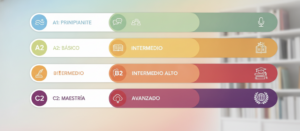
CEFR levels, from A1 through C2, can provide a useful framework for discussing progress. Informal online tests may offer a rough snapshot, but they are not a substitute for a comprehensive assessment. If your abilities have not noticeably improved for an extended period, it may be time to adjust your lesson frequency, practice habits, or learning goals.
Ask yourself these questions every few weeks:
- Can I understand more than I could a month ago?
- Do I hesitate less when speaking?
- Have I moved closer to the skills required for my target level?
If the answer is no across the board, discuss your schedule and learning approach with your teacher rather than continuing without a clear plan.
3.4 Avoid Burnout With Balanced Scheduling
Motivation often peaks early. Some learners book five lessons a week in their first month, only to feel exhausted by the second.
Overloading your schedule can lead to fatigue, frustration, and eventually giving up. Learning to avoid language learning burnout means pacing yourself for the long term, not just the first few weeks.
Choose a lesson frequency you can maintain and leave room for lighter review days. If you have a particularly busy week, reduce the volume of self-study rather than abandoning the routine altogether.
Balanced scheduling protects both your motivation and your budget. Steady, sustainable progress is usually more useful than a short, intense burst that quickly fades.
4. Conclusion
There’s no single pace that fits everyone. Your goals, current skills, and weekly availability all matter. The most important step is finding a pace you can maintain.
If you’re starting out, try 2 to 3 teacher-led language lessons a week, supported by short practice sessions on other days. Learners with urgent goals may temporarily need a more intensive plan. Adjust your schedule as you learn more about your concentration, progress, and available time.
Consistency matters, but so do the quality and purpose of your study. Twenty minutes of focused daily practice can be more productive than an occasional unfocused study session lasting several hours.
Life can get in the way, and your schedule will change. It’s fine if some weeks allow only one lesson. The important thing is to return to your routine rather than treating one disrupted week as a failure.
Make a plan you can maintain, track your progress, and remain open to changes. Your ideal number of lessons may rise or fall as your goals and abilities develop. The constant is showing up regularly and using your study time with purpose.