



Think you’re too busy—or too old—to learn a new language? Many adults believe this, but it can stop them from getting started.
Age is not necessarily the main obstacle. Adults often have to balance language learning with work, family and other responsibilities.
Adult learners can draw on useful strengths, including focused attention, analytical skills and established study habits. With the right approach, these strengths can support progress in grammar, vocabulary, listening and speaking.
Many adults successfully fit German study into busy lives by learning regularly and making good use of short study sessions.
This guide provides a practical roadmap, including steps to prepare, digital tools to consider and techniques for making steady progress. You do not necessarily need more hours in your day—just a smarter way to use the time available.
Each part of this guide will help you find an effective way to learn German online without wasting time.
Key Takeaways
- Adults can learn a new language successfully by using their focus, experience and established study habits.
- Busy professionals can fit German practice into their daily routines through short digital study sessions.
- Success depends on realistic planning rather than finding large amounts of extra time.
- A clear plan for preparation, tool selection and speaking practice can make learning more efficient.
- Combining reliable resources with personalised feedback creates a more balanced study routine.
- Studying regularly, even in short sessions, can lead to meaningful progress over time.
1. Prepare Yourself Before You Start Learning German
Learning German as an adult is often more about preparation than choosing the first app you see. Without clear expectations and a workable routine, it can be difficult to maintain motivation. Before starting, set clear goals, assess your current level and create a realistic study schedule.
Define Your Learning Goals and Timeline
Goals such as “I want to learn German” are too vague. You need a specific objective and a realistic timeframe.
Are you preparing for a Goethe-Institut B1 exam, planning a trip to Berlin or hoping to reconnect with your German heritage? Each goal requires a different approach and learning pace.
A few months of focused learning may help you handle some basic conversations, while reaching an advanced level generally requires much longer. Your progress will depend on your starting point, study frequency, speaking practice and individual goals. Write down your objective and a target date to guide your studies, but be prepared to adjust the timeline as you progress.
Assess Your Current German Proficiency Level
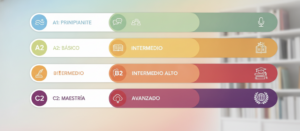
Knowing your starting point is crucial. The Common European Framework of Reference for Languages (CEFR) describes language ability across six levels, from A1 for beginners to C2 for highly proficient users.
Consider taking a placement test from a reputable educational organisation, such as the Goethe-Institut or Deutsche Welle, before starting online lessons. The result can help you avoid choosing material that is too easy or too difficult.
| CEFR Level | Skill Description | Typical Learner |
|---|---|---|
| A1–A2 | Basic phrases and simple everyday conversations | Complete beginner or occasional traveller |
| B1–B2 | Independent communication in everyday and some professional contexts | Learner preparing to travel, relocate or use German at work |
| C1–C2 | Advanced to highly proficient expression and comprehension | Professional or academic user |
Build a Realistic Weekly Study Schedule Around Your Life
Adult life often leaves little time for long study sessions. With work, family and commuting, finding study time can seem impossible.
The solution is not necessarily to find more hours. It is to create a study plan that fits your existing schedule.
Daily practice of 20 to 30 minutes may be easier to sustain than one long session a week. Use your commute for listening, your lunch break for vocabulary and a few minutes before bed for grammar review. Consistency is usually more valuable than occasional bursts of intensive study.
Preparation is not a delay. It can help you build a routine that lasts beyond the first few weeks.
2. Choose the Right Tools to Learn German Online
First, decide what you want to achieve and how much time you can dedicate. Then choose tools that fit your learning style. There are many German learning apps, courses and online resources, but not all will suit your needs. The following options can help you build a balanced learning plan.
2.1 Language-Learning Apps for Self-Paced Study
Self-paced apps offer flexibility, which is useful when you have a busy schedule. Different types of apps support different parts of the learning process.
Gamified language-learning apps can help you establish a daily habit through short lessons and progress tracking.
Structured course apps often focus on practical situations and introduce grammar and conversation topics in a planned sequence.
Spaced-repetition tools help you review words at carefully timed intervals. They can be particularly useful for vocabulary retention when combined with grammar, listening and speaking practice.
| Tool Type | Best For | Key Strength | Typical Access |
|---|---|---|---|
| Gamified learning app | Beginners and habit-building | Short lessons and progress tracking | Free or subscription-based |
| Structured course app | Practical language development | Sequenced lessons and everyday topics | Usually subscription-based |
| Spaced-repetition tool | Vocabulary retention | Efficient, scheduled review | Free or subscription-based |

2.2 Online Courses with Live Teachers and Structured Lessons
Apps are useful for independent practice, but they cannot fully replace real conversation and personalised feedback. Live lessons give you opportunities to ask questions, practise speaking and receive corrections in real time.
Look for online lessons with qualified teachers, clear learning objectives and content suited to your current CEFR level. Private lessons can be especially helpful if you need a flexible schedule or want to focus on specific goals such as work, travel, pronunciation or exam preparation.
At Your Native Teacher, learners can work online with qualified teachers and receive personalised guidance based on their goals and current level.
Scheduled lessons can also create accountability and help you maintain a consistent routine alongside independent study.
2.3 Free and Low-Cost Resources to Supplement Your Learning
You do not need to rely entirely on paid materials to learn German. Free educational resources can provide valuable listening, reading, grammar and exam practice alongside structured lessons.
DW Learn German offers courses and exercises for different ability levels. Its resources include audio, video and interactive activities that can be used independently.
The Goethe-Institut provides grammar resources, exercises and practice materials for German learners.
YouTube channels such as Easy German offer authentic listening practice through street interviews and subtitled conversations.
A balanced approach might combine a self-paced tool for daily practice, free media for extra exposure and regular live lessons for speaking practice and personalised correction.
3. Apply Study Techniques That Support Fluency
The difference between recognising German and using it confidently often lies in how you practise. You can collect numerous apps and courses but still struggle to communicate if you rarely use the language actively. The techniques below can make your study more practical, even when you have only a few minutes each day.
Practice Speaking German Regularly
Speaking is an important part of developing communicative ability. Grammar exercises can help you understand patterns, but conversation allows you to practise retrieving words, forming sentences and responding in real time.
Live online lessons provide structured speaking practice and expert feedback. Language-exchange platforms can also offer informal conversation opportunities, although they should supplement rather than replace guidance from a qualified teacher.
Even short, regular conversations can support pronunciation, confidence and vocabulary recall. The quality and consistency of your practice matter more than relying on a single minimum number of minutes.
Immerse Yourself in German Media and Content
German immersion does not require a trip to Berlin. You can increase your exposure to German through media you already enjoy, turning some of your downtime into learning time.
Try watching films or programmes with German audio and suitable subtitles. Listen to “Slow German” during your commute. More advanced learners can watch Tagesschau to become familiar with natural speech and formal news vocabulary.
This type of exposure can help you become more familiar with rhythm, pronunciation and common phrases. However, passive listening is most effective when combined with active tasks, such as noting new expressions, repeating short passages or summarising what you understood.
| Resource | Format | Suggested CEFR Level | Example Study Session |
|---|---|---|---|
| Slow German | Podcast | A2–B1 | 10–15 minutes |
| Tagesschau | News broadcast | B2–C1 | 15 minutes |
| German-language TV and films | Video | A2–B2 | 30–60 minutes |
| Deutsche Welle (DW) | News and learning content | A1–C1 | 10–20 minutes |
Track Your Progress and Stay Consistent as a Busy Adult
Consistency is a major part of building language ability. As a working adult, you may not be able to spend hours on German every day, but small, repeatable habits can add up over time.
Use a simple habit tracker if it helps you stay on course. Keep a weekly vocabulary journal for new words and example sentences. This reinforces your German vocabulary practice and gives you useful material to review.
Review your progress periodically against appropriate CEFR descriptions or with a qualified teacher. Look at what you can now do in German rather than focusing only on app streaks or the number of words studied.
Together, speaking practice, active exposure and consistent progress tracking can turn passive study into practical communication skills.
4. Conclusion
Making progress in German as a busy adult is largely about planning. Setting clear goals, creating a manageable schedule and choosing suitable tools can make learning German more effective and sustainable.
The steps covered in this guide—setting goals, choosing apps and lessons, learning German grammar online, and practising conversation—work best together. They can help you stay focused and respond when your progress slows.
You do not need to apply every suggestion at once. Bookmark this guide and return to it as your needs change.
The most important step is to begin. Choose one resource and schedule a short study session this week. If speaking and personalised feedback are priorities, consider arranging an online lesson with a qualified German teacher.
Learning German online is not limited to people with large amounts of free time. With regular effort, suitable resources and realistic expectations, adults can make steady progress from home.