



Ever found it hard to keep up with language learning because of busy schedules? You’re not the only one.
Today’s learners need flexible options that fit around work, family, and personal life. Online language learning offers great convenience and customization.
Finding the right program means looking for one that fits your life. The best virtual language lessons let you learn at your own pace and on your own schedule.
This guide will help you choose the right language tutoring platforms. You’ll learn how to pick based on flexibility, teacher quality, tech features, and cost.
By knowing what makes a program flexible, you can make a smart choice. This choice will help you learn faster while saving time and money.
Key Takeaways
- Modern learners need educational solutions that accommodate unpredictable schedules and personal commitments
- The right program adapts to your individual learning pace and specific goals rather than forcing rigid structures
- Evaluating scheduling freedom, instructor credentials, and technology features helps identify quality platforms
- An eight-step selection process enables informed decisions that maximize your time and financial investment
- Truly adaptable programs differ significantly from standardized, one-size-fits-all course offerings
- Personalized digital education accelerates progress toward fluency while fitting into busy lifestyles
1. Define Your Language Learning Objectives and Schedule Constraints
Before looking at online language tutoring, know what you want to achieve and when you can study. This step helps avoid choosing the wrong service. Without clear goals and a realistic schedule, you might find the learning process frustrating.
Many people skip planning and start looking for tutors right away. This can lead to disappointment when schedules don’t match or lessons don’t meet your needs. Taking time to plan now can save you from months of trial and error later.
Establish Your Target Proficiency Level
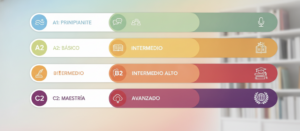
Your target level affects everything from lesson plans to tutor selection. The Common European Framework of Reference for Languages (CEFR) helps describe your current and future skills. Knowing where you are and where you want to go guides your learning journey.

- A1 (Beginner): You can understand basic phrases and introduce yourself in simple situations
- A2 (Elementary): You can handle routine tasks and describe your background in straightforward terms
- B1 (Intermediate): You can manage most travel situations and express opinions on familiar topics
- B2 (Upper Intermediate): You can interact fluently with native speakers and understand complex texts
- C1 (Advanced): You can use the language flexibly for academic and professional purposes
- C2 (Mastery): You can understand virtually everything and express yourself with precision and nuance
Before choosing a language tutor, it is helpful to identify your current proficiency level through a language assessment. Once you know your starting point, you can set realistic goals and select a learning program that matches your needs, whether for travel, work, exams, or personal development.
Your goals affect your language needs. A tourist might need B1 for basic conversations, while a doctor needs C1 for complex discussions. Be clear about your goals, not just the level you aim for.
Identify Your Weekly Time Availability
Knowing your schedule is key to successful learning. Your learning plan should fit your real life, not an ideal schedule. Look at your past month to see when you’re free.
Consider these when planning your week:
- Energy levels throughout the day: Are you most alert in early mornings, afternoons, or evenings?
- Recurring commitments: What obligations consistently occupy your time each week?
- Travel and commute patterns: Can you study during transit, or do you need a quiet home environment?
- Weekend versus weekday availability: Does your schedule offer more flexibility on certain days?
- Seasonal variations: Do work demands fluctuate throughout the year?
Effective learning needs 3 to 4 hours a week of active practice. Break this into manageable parts based on your life. For example, four 30-minute sessions might be easier than two 90-minute ones for busy people.
Flexible scheduling is crucial when your availability changes. Look for services that let you book sessions at different times. This flexibility helps with the unpredictable demands of work and family.
Set Realistic Timeframes for Language Mastery
Knowing how long it takes to learn a language prevents frustration. The U.S. Foreign Service Institute rates languages by difficulty, giving evidence-based timeframes. These benchmarks help set achievable goals.
| Language Category | Example Languages | Hours to B2 Proficiency | Estimated Timeline |
|---|---|---|---|
| Category I (Easiest) | Spanish, French, Italian | 600-750 hours | 6-9 months (intensive) or 18-24 months (casual) |
| Category II (Moderate) | German, Indonesian | 900 hours | 9-12 months (intensive) or 24-30 months (casual) |
| Category III (Hard) | Russian, Hindi, Thai | 1,100 hours | 12-15 months (intensive) or 30-36 months (casual) |
| Category IV (Very Hard) | Arabic, Mandarin, Japanese | 2,200 hours | 24+ months (intensive) or 48-60 months (casual) |
These timeframes assume consistent, quality instruction and self-study. Your actual progress depends on your experience, the language’s similarity to others you know, and how much you practice. Don’t compare your progress with others.
Break your goal into smaller, measurable milestones. For example, aim for A2 at 6 months and B1 at 12 months on your way to B2 in 18 months. These targets keep you motivated and let you adjust your approach if needed.
When choosing tutoring services, make sure they understand these timeframes. Avoid services that promise unrealistic results. Choose providers that support a pace that fits your schedule and goals.
2. Evaluate What Makes Flexible Online Language Tutoring Work for You
Flexible online language tutoring means more than just saying it’s flexible. You need to see real policies that work for you. Some services promise convenience but don’t deliver. Look for features that really fit your lifestyle, not just what they say.
It’s important to know what makes a service truly flexible. This way, you avoid services that seem flexible but aren’t. Here’s how to tell which platforms really meet your needs.
Assess Scheduling Flexibility and Booking Systems
First, check how far in advance you can book sessions. Some services require booking seven days in advance. Others let you book up to two hours before your session.
See if you can choose your own times or if you’re stuck with the same times every week. If your schedule changes, fixed times can be a problem. But if you can book sessions whenever you want, it’s much more flexible.
Look for a booking system that lets you filter by tutor availability and language. Good systems show real-time availability. This way, you can avoid booking times that are already taken.
Review Cancellation and Rescheduling Policies
Cancellation policies are key to your freedom and money. Check the notice period requirements. Some services require 24 hours’ notice, while others are more flexible.
Find out what happens if you cancel within the notice period. Can you get your money back or keep it for later? Flexible services usually have better policies for unexpected changes.
Also, check how easy it is to reschedule. Some services let you change times without penalty if you give enough notice. Others treat rescheduling the same as canceling. This matters if you often need to change plans.
| Policy Feature | Rigid Platforms | Moderately Flexible | Highly Flexible |
|---|---|---|---|
| Cancellation Notice | 48+ hours required | 24 hours required | 4-12 hours accepted |
| Penalty-Free Changes | None permitted | 1 per month | 2-3 per month |
| Rescheduling Options | Counts as cancellation | Separate 24-hour policy | Same-day rescheduling available |
| Credit Recovery | Credits forfeited | 50% credit retention | 100% credit returned |
Consider Session Length and Frequency Options
How long your sessions are matters a lot. Look for services that offer multiple session lengths. This way, you can fit learning into your busy schedule.
Having different session lengths helps you meet your learning goals. You might want short sessions for quick practice or longer ones for deeper learning. Services that only offer one length limit your flexibility.
Also, check if you can change how often you have sessions. As you get better, your needs might change. Good services let you adjust your schedule without hassle.
Look for services that don’t force you into a weekly schedule. If your work takes you on the road, you need to be able to adjust your schedule without penalty.
Examine Curriculum Customization Capabilities
Curriculum flexibility is key. Check if tutors can change lessons based on your needs. This means switching topics if something new comes up.
Ask about customizing lessons during your trial. Can tutors use industry-specific vocabulary from your job? Can they adjust the focus of lessons if you need it?
See if the service can handle different learning goals. You might need to focus on writing one month and speaking the next. Flexible services keep track of your progress across different goals.
Look at sample lesson plans or curriculum frameworks. Rigid services have set plans for everyone. But flexible services let you choose what you learn based on your goals and progress.
3. Verify Tutor Credentials and Teaching Expertise
Before you start with online language tutoring, check the tutors’ credentials. The right tutors can make a big difference. You want those who are certified and know how to teach well.
Good tutors have the right qualifications. They are not just good at speaking the language. They know how to teach it too.
Confirm Professional Certifications and Qualifications
Look for tutors with recognized certifications. These show they are good at teaching. You need the right certification for your language and goals.
For English, look for TESOL or TEFL. These show they know how to teach English. They’ve studied grammar, how to teach, and how to test students.
For other languages, there are specific certifications too. Spanish tutors might have DELE, French tutors DELF or DALF, and German tutors Goethe-Institut. Mandarin tutors might have HSK teaching certifications.
University degrees in linguistics or language education are also important. They show the tutor knows how to teach languages well.
Important consideration: Being a native speaker is not enough. You need a tutor who knows how to teach. Look for tutors with the right qualifications, not just native speakers.
To check these credentials, you can:
- Ask to see their certificates or verification numbers
- Check if the platform checks qualifications before hiring tutors
- Look up credentials in the issuing organizations’ databases
- Read tutor profiles for educational background
Evaluate Teaching Experience in Your Target Language
Experience is as important as qualifications. A tutor with lots of experience can teach you a lot. They know how to teach and have lots of materials.
Look at how many years the tutor has taught your language. They will have learned how to teach well and have lots of experience.
Some tutors specialize in certain areas. They might be good at business language or test preparation. Others focus on practical conversation skills.
Your level of proficiency matters. Beginners need tutors who can explain things clearly. Advanced learners need tutors who can handle complex grammar and expressions.
Critical questions to ask:
- How many students at my level have you taught?
- Do you have experience teaching English speakers?
- What challenges do English speakers face learning this language?
- Can you give examples of student success?
Tutors familiar with English speakers can help you avoid common mistakes. Spanish tutors know about the subjunctive mood. French tutors know about nasal vowels. This helps you learn faster.
Determine Tutor Availability and Consistency
Even great tutors are not helpful if they’re not available. Make sure your tutor’s schedule works for you.
Platforms handle matching tutors and students differently. Some platforms keep you with the same tutor. This helps build a strong relationship and ensures continuity.
Other platforms rotate tutors. This exposes you to different accents and teaching styles. It helps you adapt to real-world language use.
Consider these availability factors:
- Does your preferred tutor offer sessions when you’re available?
- How far in advance do you need to book sessions?
- What if your regular tutor is unavailable?
- Can you keep consistent weekly appointments?
Consistency is key for a strong relationship with your tutor. They learn about your strengths and weaknesses. They can tailor lessons to your needs.
But, variety is also good. It helps you adapt to different accents and teaching styles. This broadens your understanding of the language.
Choose based on your learning style. Beginners might prefer consistency. Advanced learners might enjoy variety. Your choice should match how you learn best.
4. Analyze Platform Technology and Learning Tools
Online learning technology has changed language education a lot. Not all platforms are the same in quality. The tech behind your tutoring sessions affects how well you learn new words, practice speaking, and work with your teacher.
Looking at virtual classroom features helps you see if the platform helps or hinders your learning. Good tech makes learning smooth and natural. Bad tech can make you frustrated and waste your study time.
Test Video Conferencing Quality and Stability
Good video and audio are key for online language lessons. Try out the platform’s video during free trials or first meetings. Look for any issues like pixelation or audio delays that mess up the conversation.
Make sure your internet can handle the video quality. Most good platforms need at least 3-5 Mbps for clear video. Know what to do if there are tech issues, like switching to phone calls or rescheduling without penalty.
Explore Interactive Learning Materials and Resources
Interactive tools can make learning more than just talking on video. Look for platforms with digital whiteboards for tutors to draw and write. Screen-sharing lets them show real materials like news and videos.
Good platforms have tools like dictionaries and grammar guides that tutors can use right away. Check if there are extra materials like worksheets and audio files for practice. Some may cost extra.
Some platforms have big libraries of resources you can use anytime. These help you remember what you learned in lessons. The best systems organize these resources by your level and what you’re learning.
Check Mobile Accessibility and Cross-Device Compatibility
Being able to learn on different devices is very helpful. See if the platform has apps for iOS and Android or if you can only use it on a browser. Apps usually work better and let you use materials offline.
Try using the platform on different devices like laptops, tablets, and phones. You might start on your laptop but need to switch to your phone later. Being able to use the platform on any device is very important.
Think about how mobile learning fits into your daily routine. Can you do homework on your tablet during your commute? Does the app have all the features of the desktop version? These things help you keep practicing every day.
Assess Progress Tracking and Reporting Features
Keeping track of your progress shows how far you’ve come and what you need to work on. Good platforms give you summaries after lessons. These summaries help you review before your next lesson.
Look for platforms that keep a record of new words and phrases you learn. Some even let you compare your pronunciation with native speakers. This is great for spotting any speaking mistakes.
Regular tests check how well you’re doing against set standards. The best systems show your progress in charts and graphs. You should know how often you get these tests and what they say about your progress.
| Technology Feature | Essential Function | Impact on Learning |
|---|---|---|
| HD Video Quality | Clear visual communication and lip-reading for pronunciation | Enables accurate accent modeling and non-verbal cue recognition |
| Digital Whiteboard | Real-time visual explanations and grammar diagrams | Reinforces concepts through multiple learning modalities |
| Mobile Application | Learning continuity across devices and locations | Supports consistent practice regardless of schedule disruptions |
| Automated Progress Reports | Objective measurement of skill development over time | Maintains motivation through visible achievement documentation |
Testing the technology yourself is more important than what the platform says. Ask for demo sessions to see all the features. Make sure the interface is easy to use and doesn’t get in the way of learning.
Investing in good online learning technology saves you from frustration and keeps you engaged. Platforms that are easy to use and reliable let you focus on learning. This tech foundation supports all parts of your tutoring, from flexible scheduling to custom lessons.
5. Compare Pricing Structures and Payment Options
Good online language tutoring platforms are clear about their costs. You need to look at how much you’ll pay, what you get for that money, and if the flexible payment plans fit your budget. Before you sign up, make sure you know all the costs, including any hidden fees that might show up later.
What sets platforms apart is not just the price they advertise. It’s the complete cost structure that affects your budget over time. Look at payment models as carefully as you would at tutor qualifications and platform features. Your financial flexibility is key to keeping up with your learning goals.
Understand Subscription Plans Versus Individual Lessons
There are three main online tutoring pricing models to choose from. Monthly unlimited subscriptions cost between $99 and $299. They let you take as many lessons as you want within the month. This is best if you plan to take at least 12-15 lessons a month, as it saves money per lesson.
Prepaid lesson packages offer a balance between commitment and flexibility. You buy a set number of lessons upfront, like 10, 20, or 50, and use them within a certain time, usually 3 to 12 months. The more lessons you buy, the cheaper each one is, but make sure you’ll use all the credits before they expire.
Pay-as-you-go models give you the most flexibility. They charge per lesson without requiring you to commit in advance. While it might seem more expensive at first, with rates of $25 to $60 per hour, you avoid wasting money on unused credits. This is great for those with unpredictable schedules or who want to try out a platform before committing.
Evaluate Package Discounts and Long-Term Commitments
Discounts on packages can seem like a good deal, but check if they really save you money. A 50-lesson package for $20 per lesson is $1,000 total. If you only use 35 lessons, it costs $28.57 per lesson, which might be more than paying per lesson.
Find out when a package becomes a good deal by dividing the total cost by the number of lessons you’ll likely use. Compare this to the cost of individual language lesson costs to see if you’re really saving. Some platforms offer transferable or shareable credits, which can add value if you can share lessons with others learning the language.
Be careful with long-term commitments that offer low rates at first but increase later. Make sure you know if the initial rate stays the same for the whole subscription or goes up after a few months. It’s important to consider if paying $1,500 for a year is better than a more flexible option if your plans change.
Clarify Refund and Satisfaction Guarantee Policies
Refund policies show how confident a platform is in its service. Look for platforms that offer money-back guarantees for at least the first lesson or week. Some premium platforms even guarantee satisfaction for 30 days, showing they’re very confident in their service.
Unused lesson credits are important to consider. Find out if you can get a refund for unused credits, if they can be used later with an extended expiration, or if they’re lost. Platforms that let you roll over credits offer more financial protection for your investment.
Payment security and accepted methods also matter. Make sure the platform uses secure payment processing, accepts your preferred payment method, and provides clear billing. Hidden fees for materials, platform access, or cancellations within policy windows are red flags you should avoid.
| Pricing Model | Best For | Average Cost Range | Flexibility Level | Key Advantage |
|---|---|---|---|---|
| Monthly Subscription | Frequent learners (12+ lessons/month) | $99-$299/month | Medium | Lowest per-lesson cost with high usage |
| Prepaid Packages | Committed learners with predictable schedules | $15-$35 per lesson | Medium | Balanced savings with reasonable commitment |
| Pay-As-You-Go | Irregular learners or platform testers | $25-$60 per lesson | High | Zero commitment with maximum scheduling freedom |
| Trial Credits | New users evaluating platforms | $1-$10 for first lesson | High | Risk-free service evaluation |
When looking at pricing, don’t just focus on the rates. Consider the total cost of using the platform. Check if there are extra fees for materials, assessments, or exams. Some platforms include these in the lesson price, while others charge extra, increasing your overall cost.
The best approach is to start with flexibility and then find long-term value. Begin with pay-as-you-go lessons to test the platform, then switch to prepaid packages if you’re happy with the service. This way, you minimize risk and can take advantage of discounts once you’re sure about your commitment and satisfaction.
6. Investigate Student Reviews and Platform Reputation
The reputation of an online language platform shows if it really delivers what it promises. No fancy marketing can replace the real stories from students who have tried the service. Looking into the platform’s credibility helps you find the best tutoring services.
Before you spend money on language learning, you need solid proof beyond what websites say. Look for feedback from many sources to make a smart choice. This way, you avoid disappointment and find a service that fits your needs.
Read Verified Student Testimonials and Ratings
Real reviews of language platforms can be found in places where companies can’t control feedback. Look at different places for feedback, not just what’s on the company’s website. Sites like Trustpilot, Reddit, and education forums have honest opinions on both good and bad points.
When reading reviews, look for patterns, not just one-off complaints. If many people say the same thing, it might be a bigger problem. Pay attention to comments on flexibility, tutor quality, and how reliable the platform is—these are key for online learning.
Service ratings should show consistent quality over time, not just recent improvements. Check when reviews were written to see if they’re current. Reviews from the last few months are usually the most accurate.
| Review Source | Reliability Level | What to Look For | Red Flags to Watch |
|---|---|---|---|
| Independent Review Platforms | High | Verified purchase badges, detailed experiences, balanced perspectives | Generic praise, lack of specifics, identical wording across reviews |
| Social Media Groups | Medium-High | Spontaneous discussions, problem-solving threads, comparison posts | Promotional accounts, affiliate links, suspiciously defensive responses |
| Language Learning Forums | High | Long-term progress reports, honest challenges, specific tutor mentions | Vague recommendations, newly created accounts, excessive enthusiasm |
| Company Website Testimonials | Low-Medium | Video testimonials, full names, specific achievements | Stock photos, anonymous quotes, only perfect 5-star reviews |
It’s important to tell real criticism from unfair complaints. Look for detailed feedback that shows what went wrong and how it was fixed. Reviews from students who used the service for a while are more reliable than first impressions.
Utilize Free Trial Lessons and Introductory Sessions
Free trial lessons give you a real taste of what the service offers. Most good platforms let you try before you buy. Use these chances to really check if the service meets your needs.
During your trial, see if the platform really offers flexibility. Check how easy it is to book, if tutors are on time, and if the technology works well. Ask about scheduling, lesson customization, and long-term availability to see if the trial is a true representation.
Compare the quality of trial tutors to the regular ones. Some platforms give their best tutors for trials, but regular students might get less experienced ones. Ask about their tutor selection process and if you can keep the same tutor if you subscribe.
Make the most of your trial by testing specific things you need. If you need early morning lessons, book them. If you want conversation practice, ask for it. The trial should match how you plan to use the service, not just show off what it can do.
Test Customer Support Responsiveness and Quality
How good the customer support is can make a big difference. You can test it before buying by asking questions. The help you get before you pay is usually the same as after.
Try different ways to contact support to see if they’re always available. Send an email, use live chat, and call if they have a phone number. Look at how fast they respond, if their answers are helpful, and if they really understand your problem—not just give generic answers.
Ask tough questions to see how well support knows their stuff. Ask about things like scheduling across time zones, changing tutors, or fixing technical issues during lessons. How clearly and confidently they answer shows if they can really help you.
| Support Aspect | What to Evaluate | Quality Indicator |
|---|---|---|
| Response Time | Hours until first reply, resolution speed | Email responses within 24 hours, chat replies under 5 minutes |
| Knowledge Depth | Accuracy of answers, ability to handle complex questions | Specific solutions without multiple follow-ups required |
| Communication Quality | Clarity, professionalism, empathy | Personalized responses addressing your specific situation |
| Problem Resolution | Follow-through on commitments, proactive updates | Issues resolved on first contact or clear escalation path provided |
See how support handles tough questions or complaints from reviews. Bring up a specific issue you found and see how they respond. Defensive or dismissive answers are bad signs, but clear explanations of challenges and how they’re being fixed show they’re accountable.
By looking at real reviews, trying out the service, and testing support, you get a full picture of the platform’s reliability. This way, you make a choice based on real performance, not just promises.
7. Align the Service With Your Personal Learning Preferences
Finding a tutoring service that fits your learning style is key to making progress. Different platforms teach in different ways. Choosing one that matches how you learn best can make all the difference.
Good online language programs know students have different needs. Some like a structured plan, while others prefer to explore topics they find interesting. Knowing this helps you find a service that supports your learning.
Conversational Fluency Versus Systematic Instruction
The choice between conversational language practice and grammar-focused instruction is big. Conversational methods focus on real-world talking skills from the start. This builds confidence and natural speaking habits.
These methods often pair you with native speakers for chats on everyday topics. You learn through context, not just memorizing. It’s great for quick, practical language skills or if you already know the basics.
On the other hand, a structured language curriculum teaches grammar in a set order. This method gives a deep understanding of language and prepares you for advanced skills.
Many students do well with a mix of both. For example, morning sessions might focus on grammar, while evenings practice it in real-life scenarios. Check if your platform offers this flexibility.
Private Tutoring Versus Collaborative Group Sessions
One-on-one tutoring offers personal attention and tailored learning. Your tutor adjusts the pace and content to fit your needs. Each session focuses on your questions and goals.
This is good for those needing special help, have tight schedules, or prefer focused learning. It’s private, so you can explore topics without feeling judged. But, it’s usually more expensive.
Group learning has its own benefits. Small groups offer a chance to learn from others and get practice in a social setting. It’s cheaper and can be motivating.
Group classes are less expensive and offer a variety of accents and perspectives. They’re great for those who enjoy learning with others. But, they might not offer as much personal attention.
Think about whether you can switch between formats as you learn. Beginners might start with private lessons and then join groups for more practice.
Practice Reinforcement and Progress Accountability
The quality and amount of homework assignments between sessions matter a lot. Platforms vary in how they handle independent practice. Some give daily tasks, while others let you study on your own.
Structured programs give specific homework that matches the lesson. This homework helps you practice and find areas where you need more work. It keeps you on track.
Look at how much homework you can handle and whether it fits your learning style. Some platforms adjust the difficulty based on your performance. Others stick to a set plan. Find a balance that keeps you challenged but not overwhelmed.
Accountability systems help you stay on track between sessions. Some platforms track your progress and offer regular check-ins. Others let you study on your own. Think about how much support you need.
Decide if you need external motivation or can stay motivated on your own. If you struggle with staying consistent, a platform that requires homework might be better. If you prefer to study independently, look for one that offers more freedom.
| Learning Preference | Best Platform Features | Optimal Format | Accountability Level |
|---|---|---|---|
| Quick conversational fluency | Native speaker tutors, topic-based discussions, minimal grammar focus | One-on-one or small groups (2-4 students) | Low structure, conversation logs only |
| Comprehensive language mastery | Structured curriculum, grammar progression, writing exercises, assessments | Private lessons with curriculum tracking | High structure, regular homework and testing |
| Social collaborative learning | Group activities, peer interaction, discussion forums, team projects | Small group classes (4-8 students) | Moderate structure, group assignments |
| Self-paced flexible study | Resource library, optional exercises, on-demand booking, recorded sessions | Mix of private and self-study | Minimal requirements, progress dashboards |
Your personalized learning approach comes from knowing what works best for you. Try different formats before committing. Many platforms let you switch as you learn more about your needs.
Choosing a platform that matches your learning style makes studying fun or at least manageable. Platforms with various teaching methods offer flexibility as you grow and change.
8. Conclusion
You now have a detailed guide for picking language tutoring that really helps you reach your goals. You’ve looked at eight key areas to find services that truly offer flexibility, not just talk about it.
True flexible learning is more than just scheduling. It means the program fits your skill level, budget, and needs as they change. It also means getting help quickly and easily.
As someone who pays for tutoring, you have the power to choose services that value your time and dreams. Spending time to pick the right platform can really help you learn a new language. Sites like Your Native Teacher focus on making learning flexible for you.
Make your decision to learn a language with the same careful thought you’ve given to choosing a tutor. Try out lessons to see if your choices are right. Pay attention to how well you connect with your tutor and how easy the platform is to use.
Start looking for a tutor today with confidence. You know the difference between real flexibility and just talking about it. You’re ready to find a service that will help you make real progress in learning a new language.