



Ever wondered how busy adults improve their English online? Many choose flexible digital learning options that fit around work, family and personal commitments.
Adults in the UK and elsewhere may want to learn English online to advance their careers, prepare for travel, communicate more confidently or work towards an exam. Online learning is appealing because it can provide greater flexibility than a traditional classroom course.
This guide explains the main types of online English lessons available and offers practical advice for choosing the right option for your budget, schedule and goals.
Whether you’re starting from scratch or refining advanced skills, the right combination of qualified teaching, personalised feedback and regular practice can help you make steady progress.
Key Takeaways
- Online English lessons can fit around busy work and family schedules.
- Your goals and current ability should guide your choice of course or teacher.
- Live private lessons provide personalised feedback, while group classes offer collaborative practice.
- Self-study resources can support learning but do not provide the same guidance as a qualified teacher.
- Teacher qualifications, lesson structure and opportunities to speak are important quality indicators.
- Consistent practice is essential for building confidence in real-world communication.
What to Consider Before Choosing Online English Lessons for Adults
Choosing the right adult English learning option is easier when you know what matters to you. Consider your goals, current level, preferred lesson format and available study time before committing to a course.
Your Learning Goals and Current Skill Level
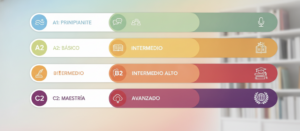
First, estimate your current English level. Are you a beginner, intermediate or advanced learner? A placement assessment or introductory conversation with a teacher can help identify your strengths and areas for improvement.
Next, define what you want to achieve. You might need English for everyday conversations, professional communication, travel, academic study or exam preparation. Choose lessons that match both your current ability and your intended outcome.
Budget and Course Pricing
Prices vary depending on the lesson format, teacher’s experience, level of personalisation and course length. Some providers charge per lesson, while others offer lesson packages or subscriptions.
When comparing costs, consider:
- Pay-per-lesson teaching – useful when you want flexibility or occasional support
- Lesson packages – suitable for learners who want a more consistent study routine
- Group courses – often less personalised but useful for collaborative practice
- Self-study subscriptions – suitable as supplementary practice between live lessons
Look beyond the headline price. A well-structured lesson with a qualified teacher may offer better value than a cheaper session without clear objectives, preparation or feedback. UK learners should also check the billing currency and any conversion fees before paying an international provider.
Schedule Flexibility and Class Format
Your daily schedule is important when choosing a course. Some learners prefer live private sessions, while others favour group classes or self-paced study.
Busy professionals may benefit from flexible online classes that can be arranged around their working hours. Think about how much structure you need, how often you can study and whether you want regular accountability from a teacher.
Teacher Qualifications and Experience
Not everyone offering conversation practice online is a qualified teacher. Check whether the teacher has relevant training, teaching experience and expertise that matches your goals.
For example, business learners may need a teacher familiar with workplace communication, while exam candidates should look for someone who understands the format and assessment criteria of their chosen test.
Comparing the Best Types of Online English Lessons for Adults
There is no single lesson format that suits every adult learner. The best option depends on whether you value personalisation, collaborative practice, independent study or a combination of these approaches.
Live One-to-One English Lessons
Overview
Live one-on-one English lessons online give you direct access to a teacher who can adapt each lesson to your level, interests and objectives.
Features
Lessons may include guided conversation, pronunciation work, grammar explanations, writing feedback and role-playing activities. A teacher can also adjust the pace and content as your needs change.
Pros
- Personalised lesson plans and feedback
- More speaking time than in most group classes
- Flexible focus on general, business or exam English
- Regular guidance and accountability
Cons
Private lessons usually cost more than self-study resources or large group classes. Their effectiveness also depends on choosing a qualified teacher whose style suits you.
At Your Native Teacher, adults can take live online lessons with qualified teachers and receive personalised guidance based on their goals. This can be particularly useful for learners who want structured progress and regular speaking practice.
Live Group Classes
Overview
Group classes allow several learners to study together with a teacher. They can provide a more social learning environment and opportunities to communicate with classmates.
Features
Classes often follow a set syllabus and may include discussions, pair work, presentations and collaborative exercises. Some courses are organised by level or by a specific theme, such as workplace English.
Pros
- Collaborative practice with other learners
- A structured timetable and syllabus
- Exposure to different accents and communication styles
- Often less expensive than private teaching
Cons
Speaking time and individual feedback may be limited, particularly in larger groups. The class pace may also feel too fast or too slow for some learners.
Structured Self-Study Courses
Overview
Self-paced courses use recorded lessons, reading materials, quizzes and interactive exercises. They can be helpful for learners who need to study at irregular times.
Features
Courses may cover vocabulary, grammar, listening, reading and pronunciation. Progress tracking and review activities can help learners organise independent study.
Pros
- Study at any time and work at your own pace
- Repeat difficult material when needed
- Useful for grammar, vocabulary and listening practice
- Can supplement live teacher-led lessons
Cons
Self-study courses cannot usually provide nuanced, personalised feedback on speaking and writing. They also require strong motivation and may not give learners enough spontaneous conversation practice.
Conversation Practice
Overview
Conversation-focused sessions are designed to increase fluency and confidence through regular speaking. They may be useful for intermediate and advanced learners who already understand basic grammar.
Features
Sessions can involve discussions, role plays, pronunciation exercises and practice with everyday or professional situations.
Pros
- More opportunities to speak spontaneously
- Practice for real-life situations
- Useful for developing fluency and confidence
Cons
Informal conversation alone may not correct persistent errors or provide a clear learning pathway. For better results, combine speaking practice with targeted feedback and structured review.
| Lesson Type | Best For | Lesson Format | Level of Personalisation |
|---|---|---|---|
| Live one-to-one lessons | Specific goals and personalised progress | Private teacher-led sessions | High |
| Live group classes | Collaborative and structured learning | Teacher-led classes with other learners | Moderate |
| Structured self-study | Flexible independent practice | Recorded content and exercises | Low |
| Conversation practice | Fluency and speaking confidence | Discussion and speaking activities | Varies |
How to Choose the Right Option for Your Needs
Finding the best adult English learning platform or lesson provider depends on your skill level, goals, schedule and budget. Focus on the quality and suitability of the teaching rather than choosing solely on price or brand recognition.
Best for Complete Beginners
Complete beginners usually benefit from a structured course that introduces essential grammar, vocabulary, pronunciation and speaking in a logical order.
Regular teacher support can prevent misunderstandings from becoming established habits. Look for patient instruction, visual examples, clear explanations and plenty of guided practice.
Best for Business English
For career development, choose lessons that address the language you use at work. Useful topics may include emails, meetings, presentations, negotiations, interviews and communication with international colleagues.
Personalised business English courses online can be especially valuable because the teacher can use scenarios and vocabulary relevant to your role or industry. Avoid courses that rely only on generic business terminology without practical speaking or writing tasks.
Best for Exam Preparation
If you are preparing for an English exam, look for a teacher who understands the current test format and can identify your weaker skills. Effective preparation may include timed practice, feedback on speaking and writing, vocabulary development and strategies for approaching different question types.
Check official exam information for current rules, accepted qualifications and registration requirements, as these can change.
Best on a Budget
If your budget is limited, combine focused live lessons with independent study. For example, you can use teacher-led sessions to receive feedback and clarify difficult points, then practise vocabulary, grammar, reading and listening between lessons.
Free dictionaries, podcasts and spaced-repetition tools can support this routine. These resources are most effective when used as supplements rather than replacements for personalised teaching and real conversation.
Best for Speaking Confidence
Choose lessons that give you frequent opportunities to speak rather than spending most of the session completing passive exercises. Role plays, discussions and pronunciation practice can help you become more comfortable using English in real situations.
A supportive teacher should correct important errors without interrupting every sentence. Feedback at appropriate moments helps maintain the flow of conversation while giving you clear points to work on.
Questions to Ask Before Booking
Before choosing online English lessons, ask the provider or teacher:
- Are the lessons suitable for my current level?
- Does the teacher have relevant qualifications and experience?
- Can the content be adapted to my personal or professional goals?
- How much speaking time will I receive?
- Will I receive feedback and suggestions for independent practice?
- What happens if I need to reschedule a lesson?
- Are learning materials included?
- How will my progress be reviewed?
An introductory conversation can help you assess the teacher’s communication style and determine whether the lesson format meets your needs. Review the provider’s booking and cancellation terms before paying.
How to Make Faster, More Consistent Progress
Choosing a good teacher is important, but progress also depends on what you do between lessons. A realistic and consistent routine is usually more useful than occasional periods of intensive study.
- Set a specific goal: Focus on an outcome such as leading a meeting, handling travel situations or improving an exam skill.
- Practise regularly: Short, frequent study sessions can make English part of your routine.
- Review feedback: Keep a record of recurring grammar, vocabulary and pronunciation issues.
- Use English actively: Speak, write and respond rather than relying only on passive reading or listening.
- Track progress: Review your goals periodically with your teacher and adjust the lesson plan where necessary.
Conclusion
Finding the right online English lessons for adults starts with understanding what you need. Your goals, current level, budget and schedule should guide your decision.
Live private lessons are a strong option for personalised feedback and focused speaking practice. Group classes offer collaborative learning, while structured self-study resources provide flexibility. Many adults benefit from combining teacher-led lessons with independent practice.
When comparing providers, consider teacher qualifications, lesson structure, opportunities to speak and the quality of feedback. An inexpensive option is not necessarily good value if it lacks clear objectives or suitable teaching support.
At Your Native Teacher, adult learners can work online with qualified teachers and follow lessons adapted to their personal, professional or exam-related goals.
Learning English online does not have to feel overwhelming. Choose a realistic starting point, practise consistently and review your progress as your needs develop.