



Ever feel like you’re not getting anywhere, no matter how many flashcards you review or podcasts you listen to?
This feeling is common for intermediate learners. It doesn’t mean you’ve failed. It usually means you’re ready for a new challenge.
Improving your German skills isn’t about starting over. You already know a lot of grammar and vocabulary, and you can understand German in many everyday situations.
Now it’s time to build on that foundation. You’ll learn to express more complex ideas and speak more confidently in real conversations.
This guide will help you bridge the gap. You’ll learn what makes B2 different, get a step-by-step plan and find useful tools. You’ll also learn how to avoid common mistakes.
Think of this guide as a companion on your journey, not a strict rulebook. Improving your language skills at this level takes sustained effort, but you may be closer to your goal than you think.
Key Takeaways
- Reaching a plateau at the intermediate stage is normal and can signal readiness for growth, not failure.
- Moving up the CEFR levels involves refining existing skills rather than relearning everything from zero.
- A clear, step-by-step action plan makes the climb toward upper-intermediate proficiency less intimidating.
- The right tools and resources can support progress and help maintain motivation.
- Avoiding common pitfalls helps you use your study time more effectively and build confidence.
- Consistent practice and small daily wins matter more than occasional intense study sessions.
1. Understanding What Separates B1 from B2 German
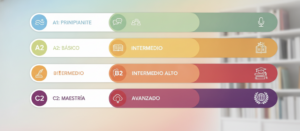
The leap from B1 to B2 German is about more than learning new words. At B2, you need to handle more complex grammar, use a broader vocabulary and understand both concrete and abstract topics in greater detail. Your speech should also become more natural and spontaneous rather than relying mainly on rehearsed phrases.
B2 is commonly described as an independent-user level. You should be able to participate in discussions, follow the main ideas in detailed news or media content, and write clear, structured texts on a range of familiar topics.
Recognised assessments, such as the B2 German exam offered by major examination providers, evaluate these skills. Understanding the gap between B1 and B2 is the first step towards closing it.
With practical German fluency tips and a detailed German study plan, the journey becomes more manageable. The next section will guide you step by step.
2. A Step-by-Step Guide to Move From B1 to B2 German
Getting from B1 to B2 German is easier when you break the process down into steps. Each step builds on the last, so you always know what to work on next.
Follow this sequence to develop your German skills steadily. Start by looking carefully at where you are now.
1. Evaluate Your Current B1 Strengths and Weaknesses
Before diving into new material, assess your current abilities. A self-assessment or placement test can show you which skills need attention.
Maybe you’re good at reading but struggle with speaking. Alternatively, grammar may be difficult while your vocabulary is strong.
Write down your strengths, weaknesses and areas of uncertainty. Use these notes to shape your study plan. Free placement activities and sample materials from organisations such as the Goethe-Institut or Deutsche Welle can give you a useful starting point, although they may not replace a formal assessment.
2. Expand Your Vocabulary With Topic-Based Word Lists
Building your German vocabulary can be more effective when you use themed word lists. Your brain can often recall connected ideas more easily than isolated words.
Focus on topics such as:
- Travel and transportation
- Work and careers
- Health and medical visits
- Current events and news
- The environment and society
Choose a realistic number of new words to learn each week within one theme. A flashcard or spaced-repetition app can support regular review. Writing short paragraphs with new words also helps you learn how to use them in context rather than simply recognise them.
3. Tackle Advanced Grammar Structures Head-On
B2 German requires you to use a wider range of grammatical structures with reasonable accuracy. Regular German grammar practice on these topics can help:
- Subjunctive II (Konjunktiv II) for hypothetical situations and polite requests
- Passive voice constructions
- Complex conjunctions such as “obwohl” and “während”
- Relative clauses with prepositions
Practise each grammar point through sentence-building, speaking tasks and extended writing. B2 grammar workbooks from established educational publishers can also provide focused drills.

4. Immerse Yourself in Authentic German Media
German immersion exposes you to vocabulary, sentence patterns and pronunciation that may not appear in a textbook. Authentic content helps you understand how German is used in different contexts.
Build daily habits with resources such as:
- Intermediate German podcasts and graded listening materials
- Video channels covering news, comedy or daily life
- German newspapers and magazines for advanced reading practice
- Films and series with German audio and, when needed, German subtitles
Aim for a consistent amount of listening or reading that suits your schedule. Mix accessible and challenging content so that you continue improving without becoming overwhelmed. This habit can strengthen your German listening skills and gradually make faster speech easier to follow.
5. Practise Speaking Regularly and Get Feedback
Reading and listening are important, but regular speaking practice is essential for developing B2 fluency. It helps you build confidence, retrieve vocabulary more quickly and respond without planning every sentence in advance.
You can practise with a language-exchange partner, a conversation group or a qualified German teacher. At Your Native Teacher, learners can take live online lessons with qualified teachers and receive personalised feedback based on their goals, including general fluency or B2 exam preparation.
Prepare topics or questions before each conversation to reduce awkward silences and keep the discussion moving. Don’t be afraid of mistakes, but make sure you have a reliable way to receive corrections; conversation partners do not always identify or explain errors. Recording yourself can also help you monitor pronunciation, pacing and sentence structure.
6. Track Your Progress With Practice Exams
Regular progress checks can keep you motivated and give you a more realistic picture of your development. Practice exams show you which areas need further work before the real test.
The Goethe-Zertifikat B2, telc Deutsch B2 and ÖSD Zertifikat B2 are recognised B2-level assessments. Official sample materials may be available online, but you should always confirm the current format and requirements directly with your chosen examination provider or test centre.
| Exam | Skills Assessed | Preparation Advice | Important Note |
|---|---|---|---|
| Goethe-Zertifikat B2 | Reading, listening, writing and speaking | Use current official model exercises | Check the latest format with the exam provider |
| telc Deutsch B2 | Reading, language elements, listening, writing and speaking | Practise each section under timed conditions | Acceptance requirements may vary by institution |
| ÖSD Zertifikat B2 | Reading, listening, writing and speaking | Review current official sample tasks | Confirm local test-centre procedures |
Take a full practice exam periodically rather than completing one every day. Working under realistic test conditions helps you build stamina and improve your time management. Track your results by skill so that you can see where progress is occurring and where more focused practice is needed.
3. Tools and Tips to Speed Up Your B2 Journey
Choosing the right tools can make your B2 study more efficient. You don’t need a large collection of resources—just a few that fit your learning style, goals and schedule.
Recommended Learning Tools, Lessons and Podcasts
German learning apps can be useful for short vocabulary reviews, grammar exercises and maintaining a daily routine. However, they work best as supplementary tools rather than substitutes for sustained speaking, writing and personalised feedback.
For speaking practice, live lessons with a qualified teacher can help you identify recurring mistakes and follow a structured plan. German podcasts and graded listening materials are also convenient ways to improve comprehension during a busy day.
| Resource | Best For | Suggested Use |
|---|---|---|
| Vocabulary or spaced-repetition apps | Reviewing words and phrases | Short, regular review sessions |
| Your Native Teacher | Live speaking practice and personalised feedback | Regular lessons based on your goals |
| Intermediate German podcasts | Listening comprehension | Listen actively and note useful expressions |
Common Mistakes to Avoid Along the Way
Many learners avoid speaking practice because it feels uncomfortable. This can slow progress and make the speaking component of a telc B2 German or similar exam more challenging.
Relying too heavily on translation is another common trap. Gradually practise forming ideas directly in German instead of translating every sentence word for word.
Ignoring listening skills can also affect exam performance. B2 assessments often require you to understand spoken German in different contexts. Cramming grammar rules without applying them in meaningful sentences is rarely effective either.
These mistakes are normal, not failures. Small, consistent changes can help you develop a more balanced set of skills.
4. Conclusion
Moving from B1 to B2 German is a meaningful step that requires consistent, focused practice. Breaking the process into smaller goals makes it much more manageable.
Every time you review vocabulary, practise grammar, listen actively or take part in a German conversation, you build on what you’ve learned before.
Remember the main steps: assess your current level, expand your vocabulary, practise grammar in context, engage with authentic media, speak regularly and monitor your progress. You don’t need to be perfect, but you do need to practise consistently.
A good study plan turns these steps into regular habits. Choose one area to prioritise each week, such as a grammar structure, listening topic or speaking task, while continuing to review your other skills.
Improving your German takes patience. Strong language skills come from repeatedly understanding and using what you learn, not from taking shortcuts.
Keep these tips in mind and stay curious about German. Start today with one practical action, then use your results to decide what to work on next.