



What makes some people progress confidently in Spanish while others struggle? The quality of their instruction can make a significant difference.
Finding the right online Spanish tutor can turn random study sessions into structured progress. Whether you’re a beginner or improving your existing skills, the right teacher is important.
This guide will help you learn Spanish online with confidence. You’ll learn how to set goals, check whether a teacher is qualified, and compare different lesson options.
We’ll also show you how to evaluate a trial lesson before you commit. This way, you can see whether the teacher is a good fit for you.
With so many choices, having a clear plan is crucial. This resource provides that plan, step by step, so you can make an informed decision.
Key Takeaways
- The right instructor can directly influence how effectively you develop practical Spanish skills.
- Defining your learning goals helps you find a teacher suited to your level.
- Comparing credentials, teaching methods, and lesson options can save you time and money.
- Trial lessons let you assess teaching quality before making a longer-term commitment.
- A step-by-step approach helps protect your investment in language learning.
- With many choices available, a focused strategy makes the search easier.
1. Know What You Need Before You Start Your Search
Before you start looking for a tutor, consider exactly what you need. Think about your current level and where you want to go. This will help you find the right fit.
1.1 Identify Your Spanish Proficiency Level and Learning Goals
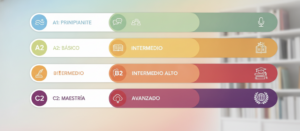
First, assess your Spanish proficiency level honestly. Are you starting from scratch, or do you already speak some Spanish? Learners at different levels often need different types of support.
Then, list your Spanish learning goals. Do you want to communicate more easily while travelling, improve your professional Spanish, or prepare for an exam? Clear goals help your tutor create lessons designed around what you want to achieve.

1.2 Set a Realistic Budget and Weekly Schedule
Next, decide on your Spanish lesson budget. Online lesson prices vary according to factors such as the teacher’s qualifications, experience, lesson length, and level of preparation. Decide how much you can spend consistently without putting pressure on your finances.
Plan your schedule as well. Think about how many weekly Spanish lessons you can manage alongside independent study and practice. A sustainable routine is generally more useful than booking more lessons than you can attend consistently.
2. Steps to Find the Best Online Spanish Tutor
Finding the right Spanish teacher is not just a matter of luck. Follow these six steps to find a tutor who fits your goals, level, and learning preferences. This will make your search easier and more effective.
By following this guide, you can turn a potentially stressful decision into a clearer, more informed choice.
2.1 Verify Credentials and Teaching Experience
Not every fluent speaker is an effective teacher. Look for a qualified Spanish tutor with relevant training in teaching Spanish as a foreign or second language. The exact qualification may vary by country and institution, so ask what the course covered and which organisation issued it.
A relevant university degree in Spanish, linguistics, education, or language teaching can add credibility, but practical teaching experience is also important. A native-speaking Spanish tutor may provide valuable pronunciation and cultural insights, while a highly proficient non-native teacher may offer a useful understanding of the learning process.
Ask potential tutors directly:
- How long have you taught Spanish, and which levels do you usually teach?
- Do you specialise in a particular dialect, exam, profession, or learning goal?
- What relevant teaching qualifications or training do you hold?
Their answers can help you distinguish between formal teaching expertise and conversation practice alone.
2.2 Evaluate Teaching Style and Methodology
Every tutor has a different approach to teaching Spanish. Some use structured grammar instruction and guided exercises, while others place more emphasis on conversation and immersion.
No single method is best for everyone. You may prefer visual materials, practical examples, structured explanations, role plays, or dialogue-heavy sessions. The important question is whether the teacher can use suitable methods to support your goals.
Effective tutors offer personalized Spanish lessons that take account of your pace, interests, strengths, and areas for improvement. Ask candidates to describe their typical lesson structure before you commit.
2.3 Compare Pricing Structures and Lesson Packages
Spanish lesson pricing varies according to teacher experience, qualifications, lesson length, preparation, and format. Instead of choosing on price alone, compare what each lesson includes and whether the teacher can provide the level of support you need.
Some services offer individual bookings, multi-lesson packages, or recurring plans. Check the cancellation, rescheduling, expiry, and refund terms before paying for several lessons in advance.
| Pricing Model | What to Check | Best For |
|---|---|---|
| Pay Per Lesson | Lesson length, preparation, and cancellation terms | Flexible schedules and initial trial periods |
| Lesson Package | Package expiry, refund policy, and rescheduling rules | Learners ready to follow a consistent schedule |
| Recurring Plan | Billing frequency, included lessons, and cancellation process | Learners who want an ongoing routine |
Finding an affordable Spanish tutor does not have to mean sacrificing teaching quality. Focus on overall value, including relevant expertise, individual feedback, lesson preparation, and reliable support.
2.4 Choose a Reputable Online Spanish Lesson Provider
Searching randomly online can make it difficult to assess teaching quality and payment security. A reputable online Spanish tutoring provider should clearly explain its teacher-selection process, lesson format, payment terms, and student support.
When comparing lesson providers, look for:
- Secure payment processing
- Clear cancellation, refund, and rescheduling policies
- Information about teachers’ experience and qualifications
- A way to discuss your goals before making a longer-term commitment
- Personalised feedback and a clear lesson structure
At Your Native Teacher, learners can take live online Spanish lessons with qualified teachers and receive personalised guidance based on their goals. Whichever provider you consider, confirm that it offers genuine one-on-one Spanish tutoring rather than relying mainly on self-study materials.
2.5 Book a Trial Lesson Before Committing
If a trial or introductory lesson is available, use it before committing to a large package. A trial Spanish lesson lets you experience a tutor’s communication style, pacing, and approach firsthand.
During the session, pay attention to how clearly the teacher explains concepts and whether they adjust their approach when you need help. A comfortable, professional rapport can be important in a successful one-on-one Spanish tutoring relationship.
Ask yourself these questions after the trial:
- Did the tutor listen to your specific goals?
- Were the explanations clear and encouraging?
- Did you feel comfortable speaking and making mistakes?
- Did the lesson have a clear purpose and structure?
- Did you receive useful feedback or suggestions for improvement?
2.6 Read Student Reviews and Ask Relevant Questions
Written feedback from past students can offer valuable insight into what lessons are actually like. Useful Spanish tutor reviews mention specific details, such as improved speaking confidence, clear explanations, reliable scheduling, or support with a particular exam.
Be cautious of profiles with only brief, uniformly positive comments, as these may not provide enough information to evaluate the teacher. Where possible, consider feedback from more than one source and check whether recent reviews are consistent.
If you’re planning long-term, personalized Spanish lessons, ask the tutor or provider about their experience with learners who have goals similar to yours. They may not be able to share private student details, but they should be able to explain their relevant experience and teaching approach.
3. Conclusion
Finding the right online Spanish tutor does not have to be difficult. First, define what you want to achieve. Then, check whether the tutor is qualified and whether their teaching approach suits you. Finally, use a trial or introductory lesson, if available, to decide whether the match feels right.
Your teacher should suit your learning pace, budget, goals, and preferred way of working. Rushing the decision can lead to unsuitable lessons and unnecessary expense, while a careful comparison can help you establish a more productive learning routine.
Learning Spanish is often most effective when you receive both support and an appropriate level of challenge. A good tutor can help you develop practical skills, correct recurring mistakes, and use Spanish more confidently in everyday situations.
Start by applying the steps in this guide, discussing your goals with a qualified teacher, and choosing a lesson format you can maintain consistently.