



Can a laptop, online lessons and the right learning tools replace years of classroom study? Many learners wonder whether time spent behind a screen can build genuine speaking skills.
The good news is that it is possible to make substantial progress through online learning. Success does not depend on one app or method. Instead, it comes from following a structured plan, using suitable resources and practising regularly.
This guide explains how to combine online lessons, independent study, speaking practice and immersion activities. These strategies can help you create meaningful exposure to a language without living abroad.
We’ll also cover common mistakes that can slow your progress, helping you avoid frustration and use your study time effectively.
By the end, you’ll understand whether you can learn a new language fluently online and what a realistic path to fluency looks like.
Key Takeaways
- Reaching fluency through online study is achievable with the right structure and consistent effort.
- A clear, step-by-step plan matters more than any single app or platform.
- Combining teacher-led lessons, independent practice and immersion activities can support faster progress.
- Avoiding common pitfalls can help you use your study time more effectively.
- Real fluency depends on active speaking practice, not just passive study.
1. Can You Actually Learn a Language Fluently Online?
Many learners wonder whether a webcam, online lessons and digital tools can replace classroom study. The answer can be yes, but only if you understand what fluency means and build a balanced learning routine. Online language lessons can be effective because they combine convenient access with opportunities for live interaction and personalised feedback.
Before choosing apps or booking lessons, it is important to define your goals. Fluency is not simply about sounding exactly like a native speaker. It is a practical ability that you can develop and assess one conversation at a time.
What Fluency Really Means
Many people think fluency means speaking perfectly or sounding indistinguishable from a native speaker. This sets an unnecessarily high standard and can make genuine progress feel inadequate.
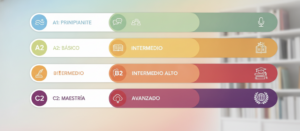
In practical terms, fluency usually means being able to communicate smoothly and effectively across a range of situations. On the Common European Framework of Reference for Languages (CEFR), many learners associate independent fluency with B2 and more advanced proficiency with C1. At B2, you can discuss a wide range of topics and interact with a reasonable degree of spontaneity. At C1, you can express complex and nuanced ideas more flexibly.
Fluency is ultimately about communicating well. You can understand other speakers, participate naturally in conversations and express your thoughts without excessive hesitation.
Why Online Learning Can Get You There
Online learning offers several advantages for learners pursuing fluency. You can practise from home, work with qualified teachers and use digital resources that match your schedule and level.
Video lessons make it possible to have real conversations with teachers and speakers from different regions. Virtual classrooms are not merely a convenient alternative to in-person study; when used well, they can provide a structured path towards practical language proficiency.
Regular online language lessons, independent study and effective language fluency tips can develop the same core skills addressed in a classroom. Online learning also gives you greater flexibility over when and how often you practise.
| CEFR Level | What You Can Typically Do | Suggested Learning Focus |
|---|---|---|
| A2 | Handle simple everyday exchanges and answer basic questions | Core vocabulary, common phrases and basic listening |
| B1 | Discuss familiar topics and manage many travel situations | Conversation practice, broader vocabulary and connected speech |
| B2 | Follow more demanding conversations and explain a clear point of view | Spontaneous speaking, detailed feedback and authentic content |
| C1 | Express complex and nuanced ideas fluently and spontaneously | Precision, style, advanced comprehension and specialised topics |
2. A Step-by-Step Plan to Reach Fluency Online
Language fluency involves several connected skills. Vocabulary, listening, speaking and meaningful interaction reinforce one another. Following a balanced plan can help you progress from basic knowledge to confident communication.
Step 1: Pick the Right App or Course
Start by choosing online language-learning tools that suit your goals. A vocabulary app may help you establish a daily habit, while a structured online course can provide clearer progression through grammar, listening and practical communication.
Look for these features before you choose:
- Spaced repetition to help new words remain in your long-term memory
- Pronunciation activities that encourage you to listen carefully and speak aloud
- Progress tracking to help you stay motivated and accountable
Give a suitable resource enough time to assess whether it works for you instead of switching tools every few days. Remember that an app should support active learning rather than replace real conversation and feedback.
Step 2: Book Regular Sessions with a Qualified Teacher
Apps can introduce words and patterns, but live lessons help you use them in conversation. Regular sessions with a qualified teacher provide opportunities to speak, receive corrections and work on goals that are difficult to address through automated exercises alone.
Start with a schedule you can maintain and increase the frequency if your goals and availability require it. A good teacher can help with pronunciation, natural expressions, cultural context and recurring mistakes. Consistency matters more than booking many lessons and then stopping.
At Your Native Teacher, learners can take live online lessons with qualified teachers and receive personalised guidance based on their level, interests and communication goals.

Step 3: Practise Speaking Every Day
Daily speaking practice helps turn passive knowledge into an active skill. Even short sessions of 10 to 15 minutes can be useful when they form part of a broader learning routine. Try shadowing, which involves listening to a short recording and repeating it while copying the speaker’s rhythm and pronunciation.
Self-talk can also help. Describe what you are doing, summarise your day or explain an idea in your target language. Language-exchange platforms can provide additional informal practice, but they work best as a supplement to structured lessons because conversation partners may not be trained to explain mistakes or provide reliable feedback.
Step 4: Immerse Yourself in Authentic Content
Authentic content helps you encounter vocabulary, pronunciation and expressions in context. Watch programmes in your target language with appropriate subtitles, then reduce your reliance on them as your comprehension improves. Podcasts, videos and other content created for fluent speakers can expose you to natural speech and different accents.
Reading news articles or other material about topics you care about can also expand your vocabulary. These activities reinforce what you learn in lessons and prepare you for a wider range of real conversations.
3. Tools and Techniques That Speed Up Progress
Not all learning resources serve the same purpose. Choosing a balanced combination of technology, guided practice and language immersion techniques can make your study routine more effective. The best tools are those that address a clear need without distracting you from active communication.
Useful Learning Tools and Teacher-Led Lessons
Serious learners usually benefit from combining qualified instruction with carefully chosen self-study resources. Live online lessons provide structure, conversation practice and individual feedback, while supplementary tools can help with vocabulary, listening and review between sessions.
| Resource Type | Best For | Useful Feature |
|---|---|---|
| Live online lessons | Speaking and personalised guidance | Real-time feedback from a qualified teacher |
| Structured online courses | Following a clear learning sequence | Organised lessons and progress tracking |
| Spaced-repetition tools | Vocabulary retention | Reviews scheduled according to recall |
| Audio-based resources | Listening and pronunciation practice | Portable exercises for regular exposure |
| Language-exchange platforms | Informal conversation practice | Additional contact with other speakers |
Immersion Tricks You Can Do from Home
You do not need to travel to create meaningful exposure to a new language. Small daily habits can bring the language into your routine. Try these language immersion techniques at home:
- Switch your phone, laptop or selected apps to your target language.
- Watch programmes with original-language audio and suitable subtitles instead of dubbed versions.
- Follow creators who publish useful content in your target language.
- Cook a recipe narrated entirely in the language you are learning.
These small changes turn everyday moments into opportunities to practise listening and build familiarity. They also increase your exposure without requiring a separate, lengthy study session.
Mistakes That Slow Down Fluency
Even motivated learners can lose momentum because of ineffective habits. Avoid these common mistakes:
- Relying on translation tools instead of gradually learning to think in the new language.
- Avoiding conversation because you are afraid of making mistakes.
- Studying inconsistently instead of building a sustainable routine.
- Focusing only on grammar rules without applying them in real communication.
- Using too many apps without a clear learning plan.
Avoiding these habits will help you make steadier progress towards fluency.
4. Conclusion
Learning a new language online is achievable when you have a realistic plan. Choose suitable learning resources, take regular lessons and practise speaking consistently.
Authentic content such as programmes, podcasts, videos and articles can strengthen your listening skills and vocabulary. However, these resources are most effective when combined with active use of the language and helpful feedback.
Fluency is not about luck or finding one perfect app. It comes from sustained practice, meaningful interaction and a willingness to learn from mistakes. Small, regular habits are usually more productive than occasional periods of cramming.
You do not need a perfect plan to begin. Choose one manageable action: review useful vocabulary, book an online lesson or speak in your target language for five minutes. As your skills develop, conversations should gradually become easier and more natural.
Your fluency goal can be realistic with the right support and consistent effort. Start with a sustainable routine and adjust it as your needs develop.