



Ever wondered why some people seem to learn new skills quickly while others take much longer? If you have felt stuck in a classroom that moves too fast or too slowly, you are not alone. The key often lies in receiving the right guidance and having regular opportunities to practise.
Virtual lessons connect you with qualified teachers who can provide personalised instruction, real conversation practice and a schedule that fits your day. Depending on your goals, you may choose a native-speaking teacher or a teacher with specialist knowledge of your target language, exam or industry.
This guide explains how to get started, step by step. Whether you are a complete beginner or want to refresh your existing skills, you will learn how to set clear goals, choose the right teacher and book your first lesson with confidence.
We will also cover what to expect during your sessions and how to track your progress. By the end, you will have a clear plan for learning a language through live online lessons.
Key Takeaways
- Virtual lessons offer flexible scheduling that can fit a busy lifestyle.
- You can work with qualified teachers from different locations.
- Personalised instruction can be adapted to your goals and current level.
- The process includes setting goals, choosing a teacher and booking sessions.
- Regular practice helps you build practical conversation skills.
- Tracking your progress can help you stay motivated and accountable.
1. How Online Language Tutoring Works From Start to Finish
Every successful language-learning journey starts with a few key steps. Before you begin speaking practice or working on grammar, it helps to understand how the overall process works.
From setting your goals to booking your first session, each step builds on the last. Understanding this process can help you make informed choices and use your study time effectively.
Identify Your Learning Goals and Skill Level
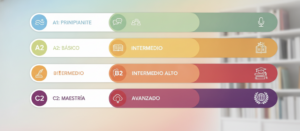
First, evaluate your current level in the target language. Are you a complete beginner, or do you already know enough to hold a basic conversation? An honest self-assessment gives you a realistic starting point, although a teacher can help you evaluate your level more accurately.
Next, define what you want to achieve. You may be aiming for everyday conversational fluency, preparing for a business trip or studying for an exam such as the DELE or TOEFL. Your goals will help you find the right online language teacher and shape the content of your lessons.
Being clear about these details from the beginning saves time. A good teacher will use them to adapt lesson plans to your current ability, priorities and preferred pace.
Choose the Right Tutoring Provider or Teacher
Once you know your goals, it is time to find an online language tutoring service or teacher that matches your learning style. Providers do not all operate in the same way, so compare relevant features and teaching options before committing.
Look for these key factors when evaluating your options:
- Teacher qualifications: Relevant training, teaching experience and strong knowledge of your target language.
- Teaching style: Structured lessons, conversational practice or a combination of both, depending on your needs.
- Specialisation: Business language, exam preparation, pronunciation or everyday communication.
- Lesson format: Video quality, scheduling flexibility, learning materials and clear pricing.
- Personal compatibility: A teacher who communicates clearly and makes you feel comfortable participating.

Some providers offer an introductory or trial lesson, which can help you assess compatibility before booking several sessions. If no trial is available, review the teacher’s profile, qualifications, lesson format and cancellation terms carefully.
At Your Native Teacher, learners can work online with qualified teachers and receive personalised guidance based on their language level and goals.
Schedule and Book Your First Lesson
After choosing a teacher, the next step is to book a language lesson at a suitable time. The booking process usually involves creating an account, choosing a lesson type and selecting an available appointment.
Many online services display appointments in your local time zone, but it is still worth checking the date and time carefully when you and your teacher are in different regions.
Before confirming, check the cancellation policy and any preparation requirements. You may need video-conferencing software such as Zoom or access to a built-in lesson room. Testing your internet connection, camera and microphone beforehand can prevent technical problems.
Once the lesson is confirmed, you should receive the relevant booking details. Use the time before your session to prepare any questions, materials or examples you want to discuss.
2. What Happens During and After Your Lessons
Your first virtual language lesson is the beginning of a personalised learning process. After agreeing on a schedule, you will take part in live sessions, use relevant learning materials and receive feedback. Here is what you can generally expect.
2.1 Attending Your First Online Session
Your first session will often begin with an informal conversation rather than a formal test. Your teacher may ask about your background, why you want to learn the language and what you hope to achieve.
They may also conduct a brief level check covering areas such as speaking, listening, reading, writing, grammar or vocabulary. The exact format depends on your level and learning goals.
It is normal to feel nervous, especially if you have not spoken the language recently. A supportive first lesson should give you time to become comfortable and ask questions about the teaching process.
By the end of the session, you should have a clearer idea of how your lessons will work. You may also discuss lesson frequency, independent practice, homework and how to communicate between sessions.
2.2 Using Learning Materials and Digital Tools
Online tutoring can include interactive worksheets, shared documents, digital whiteboards and other resources selected by your teacher.
These tools can help you practise grammar and vocabulary in real time. For example, a teacher might use a digital whiteboard to correct a sentence, illustrate a grammar pattern or record useful expressions from a conversation.
Video-conferencing software also allows you to share screens, making it possible to review documents, images, presentations or exercises together.
Some services allow lessons to be recorded with the appropriate consent. If recording is available, you may be able to revisit explanations or pronunciation practice later. Where recording is not offered, shared notes and lesson summaries can serve a similar purpose.
| Tool Type | Purpose | Example Use |
|---|---|---|
| Digital Whiteboard | Visual explanation | Diagramming verb conjugations |
| Video Conferencing | Real-time interaction | Face-to-face conversation practice |
| Lesson Recordings or Notes | Review material | Revisiting pronunciation feedback |
| Vocabulary Apps | Supplement lesson practice | Completing a daily flashcard review |
2.3 Tracking Progress and Adjusting Your Learning Plan
Tracking progress helps you understand what is improving and where you need more practice. Depending on the teaching approach, your teacher may use informal reviews, short assessments, completed tasks or regular conversations about your development.
These check-ins create opportunities for feedback. You and your teacher can discuss what is working, what remains difficult and which skills should receive more attention.
Based on this feedback, your personalised learning plan may change. For example, you might spend more time on speaking, grammar, pronunciation or exam preparation as your priorities develop.
Some providers offer formal progress reports, while others track development through lesson notes and periodic reviews. In either case, keeping your own record of new vocabulary, completed tasks and communication goals can also be useful.
Open communication with your teacher is important. Share your challenges, preferences and changing goals so that your lessons remain relevant as you progress.
3. Conclusion
Learning a new language becomes more manageable when you understand the process. You start by setting clear goals, choosing a suitable teacher and attending live sessions adapted to your needs. Each step can help you build knowledge and become more confident using the language.
Online language tutoring gives you access to personalised support while allowing you to fit lessons around your schedule. During and between sessions, you can review vocabulary, practise speaking and monitor your development.
Online lessons can be particularly convenient for learners with busy schedules or specific objectives. You can agree on an appropriate pace and focus on the language skills that matter most to you.
Working with a qualified teacher can provide structure, feedback and accountability. Progress still depends on factors such as your starting level, lesson frequency and independent practice, but consistent guidance can help you use your study time more effectively.
Now that you know how online language tutoring works, the next step is to define your goal and choose a teacher who suits your learning style. Your Native Teacher offers live online lessons with qualified teachers who can provide personalised support for your language-learning goals.