



Have you seen social media posts claiming that AI makes learning a language easy? You might wonder whether ChatGPT can really replace your teacher, language-learning apps, or even a class. It is time for a realistic answer rather than more hype.
This article offers a balanced look at using ChatGPT for language learning. We will examine what it can do in practice, as well as where its limitations become clear.
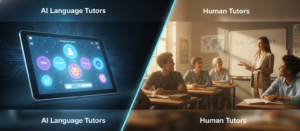
ChatGPT can be useful for grammar explanations, conversation practice, and vocabulary building. It may help when you are travelling or studying for a test. However, it has limitations in areas such as pronunciation coaching, cultural nuance, and reliable personalised feedback. A structured course with a qualified teacher also provides guidance that a chatbot cannot fully replicate.
By the end, you will know how to use ChatGPT wisely. It can be a smart supplement to language learning, but it is not a complete replacement for structured study and real human interaction.
Key Takeaways
- This AI tool can support grammar explanations, vocabulary building, and conversation practice.
- Pronunciation coaching and cultural nuance remain areas where qualified human guidance is especially valuable.
- Structured courses provide direction and accountability that self-directed chatbot sessions often lack.
- Treating this technology as a supplement rather than a full replacement generally produces a more balanced learning experience.
- Combining AI practice with meaningful listening, speaking, and human interaction can support progress towards fluency.
- Setting clear goals before each session helps you get more value from every conversation.
1. Can ChatGPT Teach Language Skills You Actually Need?
ChatGPT has become a popular tool among language learners, and its value is not limited to hype. Unlike apps built mainly around fixed drills, it can respond to your questions and adjust its explanations based on the context you provide.
Before adding it to your study routine, it helps to understand what it offers. As an AI language tutor, ChatGPT has three notable benefits: quick grammar feedback, low-pressure conversation practice, and vocabulary activities based on your interests.

Instant Grammar Explanations and Quick Corrections
You can paste a sentence into ChatGPT and ask for immediate feedback instead of searching through several grammar resources.
ChatGPT grammar correction can explain why a verb form may be incorrect or why a sentence sounds unnatural. It can then suggest a revised version and provide additional examples.
This quick feedback may help you identify recurring mistakes. However, AI responses are not always accurate, so important corrections should be checked against a reliable reference or discussed with a qualified teacher.
Conversation Practice Without Fear of Judgement
Many learners worry about making mistakes in front of other people. This fear can prevent them from practising the language skills they need.
AI conversation practice can create a low-pressure environment. You can rehearse written or voice-based conversations in French, German, Spanish, or another supported language without feeling embarrassed.
This practice may help you feel more prepared before speaking to a real person. Nevertheless, human conversation remains essential for developing natural timing, listening skills, and confidence in unpredictable situations.
Personalised Vocabulary Building Based on Your Interests
Generic word lists can be difficult to remember when they have little connection to your daily life. Words related to your hobbies, work, travel plans, or studies are often more meaningful.
ChatGPT lets you choose a topic and request relevant vocabulary, examples, quizzes, or short dialogues. This makes ChatGPT vocabulary building more closely connected to your interests and goals.
This approach can be more engaging than studying unrelated lists. You may be more likely to remember words when you use them in a personally relevant context.
2. Where ChatGPT Falls Short as Your Only Language Teacher
ChatGPT can support grammar and vocabulary practice, but it does not provide the complete learning experience. There are important ChatGPT language learning limitations to consider. Understanding them can help you build a more balanced study plan.
The Missing Human Connection and Cultural Nuance
Language is more than a collection of words and grammar rules. It includes humour, idioms, body language, tone, and social conventions that can vary by region and situation.
ChatGPT can explain phrases, but it cannot fully recreate the expressions, reactions, and shared cultural understanding that shape communication between people. Its explanations can also miss context or oversimplify regional differences.
Live conversations with qualified teachers and appropriate practice with proficient speakers add a level of authenticity that AI chatbots cannot fully match. At Your Native Teacher, learners can work online with qualified teachers and receive personalised guidance based on their goals.
Pronunciation and Listening Skills It Cannot Fully Teach
ChatGPT pronunciation practice has limitations. Depending on the available voice features, it may model words or take part in spoken exchanges, but it may not reliably identify subtle problems with individual sounds, stress, rhythm, or intonation.
Listening practice also presents challenges. Real conversations may be fast, include interruptions or background noise, and feature a wide range of accents. Controlled AI exchanges do not always prepare learners for all these conditions.
As a result, your speaking and listening skills may not develop at the same rate as your reading and writing. Varied audio practice and lessons with a qualified teacher can provide more targeted support.
Why It Cannot Replace a Structured Curriculum and Accountability
ChatGPT can help you draft a study plan, but it does not automatically maintain a reliable long-term record of your goals, weaknesses, and progress. It also cannot independently ensure that its suggested curriculum is complete or appropriate for your level.
There is no teacher checking whether you study consistently, understand each topic, or are ready to move forward. Structured courses, formal syllabuses, and qualified teachers provide clearer progression and language learning accountability.
Highly self-motivated learners may use ChatGPT effectively for independent practice. For many people, however, it lacks the consistent structure, expert oversight, and personal encouragement needed for sustained learning.
3. Conclusion: The Smartest Way to Use ChatGPT in Your Language Journey
ChatGPT is unlikely to make you fluent on its own, but its useful features should not be ignored. The most effective approach is usually a balanced one.
Use ChatGPT as a tool that supports your learning rather than replaces it. It can explain grammar rules, help you practise sentences, create vocabulary activities, and simulate everyday situations.
However, remember to step away from the screen. Work with a qualified teacher for personalised feedback, practise suitable conversations with other speakers, and follow a structured learning plan. Podcasts, films, music, and other authentic materials can also expose you to different voices, accents, and speaking styles.
This combination uses ChatGPT’s strengths while addressing its weaknesses. Thoughtfully blending AI tools with structured lessons and meaningful human interaction can create a more complete learning experience.
You now know where ChatGPT can help and when human guidance is more valuable. Build your learning plan around that balance and review your progress regularly.