



Ever bought a course or downloaded an app, only to quit after a month? You’re not alone. Many people want to learn a new language but give up early. This is not necessarily because they lack talent; often, they simply do not have a clear, sustainable plan.
Choosing the right strategy can change everything. It turns random effort into steady progress and vague ambitions into practical goals. Whether you’re planning a trip, aiming for a promotion, reconnecting with family, or simply looking for a new challenge, a good plan can help.
This guide explains how to approach learning a new language. You’ll learn how to set personal goals and consider your study preferences, schedule, and budget. You’ll also follow a step-by-step process for choosing a method that works for you.
By the end, you’ll have a practical framework that can be tailored to your needs, pace, and daily life. Think of this as your starting point, based on a clear strategy rather than guesswork.
Key Takeaways
- A clear, sustainable strategy is an important factor in language-learning success.
- Success starts with defining specific personal goals, whether for travel, work, study, or family connections.
- Your study preferences, budget, and schedule all help shape the right approach.
- A step-by-step process can help you commit instead of quitting early.
- The right framework turns scattered effort into steady, measurable progress.
- Choosing carefully from the start can save time, money, and frustration.
Define Your Language Learning Goals and Motivation
Starting a language-learning journey without clear goals is like travelling without a destination. You might end up somewhere interesting, but you may also waste time and energy. Before choosing apps, courses, or teachers, decide what you want to achieve and why.
Having clear language learning goals helps you focus. Your goals guide you towards methods that meet your needs. Without them, it is easy to jump from one resource to another without making consistent progress.
Identify Why You’re Learning the Language
Your motivation for learning a language is crucial because it affects what you learn and how you study.
Consider these common reasons for language learning motivation:
- Career advancement – you may need business vocabulary, presentation skills, and professional email etiquette rather than casual slang.
- Relocation – you may initially focus on everyday conversation and practical communication.
- Personal relationships – you may want to understand family conversations and cultural nuances.
- Academic requirements – you may need structured grammar knowledge, formal writing skills, and exam preparation.
- Travel – you may focus on useful phrases, directions, and polite requests.
- Intellectual curiosity – you might prioritise reading literature or exploring another culture.
Learning Spanish for a business trip to Madrid requires different skills from reading Gabriel García Márquez in the original language. The first learner may need conversational and professional skills quickly, while the second can place more emphasis on reading.
Be honest with yourself. Vague answers such as “I just want to learn a language” are not very helpful. Specific reasons lead to more focused plans.
Set Realistic Timeframes for Fluency
Many learners expect to achieve fluency in a language quickly, and some learning products encourage unrealistic expectations. In practice, reaching a high level usually requires months or years of consistent effort.
The Foreign Service Institute (FSI) in the United States publishes language-training estimates for English-speaking professionals. These figures can provide useful context, although they reflect an intensive training environment and a particular proficiency target.
| FSI Category | Example Languages | Estimated Study Hours | Approximate Intensive Timeframe* |
|---|---|---|---|
| Category I | Spanish, French, Italian | 600–750 hours | 24–30 weeks |
| Category II | German, Indonesian | Approximately 900 hours | Approximately 36 weeks |
| Category III | Russian, Hindi, Thai | Approximately 1,100 hours | Approximately 44 weeks |
| Category IV | Arabic, Mandarin, Japanese, Korean | Approximately 2,200 hours | Approximately 88 weeks |
*These are broad estimates based on intensive study. Part-time learners will usually need a longer calendar period, and individual results vary.
Use these figures as context, not as a strict prediction. Your pace will depend on factors such as previous language experience, practice frequency, exposure, teaching quality, and the proficiency level you want to reach.
Setting a realistic timeframe can help you stay motivated. It also helps you choose an appropriate plan, whether that involves frequent intensive study or a more gradual weekly routine.
Key Factors That Shape the Right Language Learning Plan
Even clear goals can fall apart if your plan does not match how you actually live and study. Three practical elements often determine whether a course becomes part of your routine or is abandoned within weeks. Understanding these factors early can save time, money, and frustration.
Your Preferred Ways of Learning
People often have preferences for how they engage with new information, although it is usually better to combine several methods than to label yourself as one fixed “type” of learner. Visual materials such as flashcards, subtitled videos, and grammar charts can make patterns easier to understand. Podcasts, music, and conversation practice can help develop listening, pronunciation, and rhythm.
Writing exercises, role-play scenarios, and gesture-based memory techniques can add a more active element to your studies. The most useful approach is the one that keeps you engaged while giving you balanced practice in reading, writing, listening, and speaking.
You should also consider whether you prefer structured teacher-led instruction or self-directed study. Gamified language-learning apps can suit independent learners who enjoy short daily activities. Other learners benefit more from the accountability, explanation, and personalised feedback provided by a qualified teacher or structured course.

Time Commitment and Schedule Flexibility
Be honest about how many hours you can realistically dedicate each week. Your language learning schedule should reflect your actual availability, not an idealised version of your free time.
If you can commit several hours a day, an intensive course may accelerate your progress. Busy professionals may find more success with flexible weekly lessons that provide structure without requiring attendance every day. At Your Native Teacher, learners can work online with qualified teachers and receive personalised guidance based on their goals and schedules.
For those managing unpredictable schedules, short daily activities can help maintain momentum without overwhelming the calendar. However, app-based practice should ideally complement opportunities to communicate and receive feedback. The best plan is one you can sustain consistently, not simply the one that promises the fastest results.
Budget and Available Resources
Your language learning budget does not need to be substantial for you to make progress. Free resources such as educational videos, podcasts, digital dictionaries, and language-exchange tools can support independent practice.
Paid options may offer additional structure and personalised feedback. App subscriptions can be useful for supplementary practice, while live lessons with a qualified teacher can provide direct help with speaking, pronunciation, grammar, exam preparation, or professional communication.
The table below compares common language learning resources by relative cost, format, and ideal use, helping you match your budget to suitable tools.
| Resource Type | Relative Cost | Format | Best For |
|---|---|---|---|
| Educational video channels | Free | Video lessons, self-paced | Explanations, listening practice, and review |
| Language-exchange tools | Free or low-cost | Text, voice, or video conversation | Informal conversational practice for independent learners |
| Language-learning and vocabulary apps | Free or subscription-based | Short self-study activities | Daily review, vocabulary, and beginner practice |
| Live online lessons with a qualified teacher | Paid per lesson or plan | One-to-one video lessons | Personalised feedback, speaking practice, and structured progress |
| Intensive courses | Higher cost | Intensive group or individual study | Learners with substantial time and specific short-term goals |
An effective plan does not always require a large financial investment. It requires an honest match between your available resources and your goals. Combining independent tools with appropriate teacher-led support can often provide a better balance than relying on one resource alone.
Steps to Choosing and Committing to Your Language Learning Plan
Choosing a language learning plan requires more than the desire to learn. You have set your goals, considered your preferred ways of studying, and reviewed your budget. Now it is time to put those decisions into action.
This section guides you through three key steps. Each one helps you move from research to practical progress and create a plan you can sustain.
Step 1: Research Different Learning Methods and Platforms
Begin by exploring the main language learning methods available. Structured self-study programmes often use repetition and sequenced lessons. They can work well for learners who prefer clear progression and independent study.
If you prefer short, flexible practice, a language learning app may be a useful supplementary tool. Vocabulary apps, spaced-repetition tools, and gamified exercises can help busy learners review material regularly, but they may not provide enough open-ended speaking practice or personalised correction on their own.
For learners who want to develop speaking skills, prepare for an exam, or receive targeted feedback, live lessons with a qualified teacher can be especially valuable. Your Native Teacher offers online lessons tailored to individual goals, while local classes may suit learners who prefer face-to-face group interaction.
Compare these language learning platforms and methods with your goals. An app may be enough for reviewing travel phrases, while broader proficiency usually benefits from a balanced mix of guided learning, communication, and independent practice.
| Method | Best Suited For | Cost Model | Flexibility Level |
|---|---|---|---|
| Structured self-study programmes | Learners who want guided, sequential activities | Usually subscription-based | Moderate to high |
| Language learning apps | Busy learners wanting short daily practice | Free or subscription-based | High |
| Online lessons with a qualified teacher | Learners wanting conversation practice, explanations, and feedback | Usually paid per lesson or plan | High |
| Local language schools | Learners who value classroom structure and group accountability | Usually course-based | Low to moderate |
Step 2: Test a Few Options Before Committing
When possible, avoid committing to a long-term plan before assessing whether it suits you. Some providers offer sample materials, trial periods, or introductory lessons. Use these opportunities to evaluate the teaching style, content, pace, and level of support before making a larger commitment.
Try a small number of suitable options and compare how well each one fits your goals and schedule. Avoid testing so many resources that you never establish a consistent routine.
Pay attention to both engagement and results. Do you understand the explanations? Are you practising the skills you actually need? Can you maintain the routine? Enjoyment matters, but the method should also help you make observable progress.
Step 3: Track Progress and Adjust as Needed
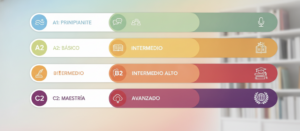
A good plan tracks outcomes, not just time spent studying. The Common European Framework of Reference for Languages, or CEFR, describes language ability across six broad levels from A1 to C2. Many courses and assessments refer to these levels, making the framework a useful reference point.
Keep a simple learning journal. Note new vocabulary, grammar challenges, completed tasks, and small achievements each week. This record can show your language learning progress more clearly than memory alone.
You can also use periodic assessments, writing samples, recorded speaking tasks, or feedback from a qualified teacher to evaluate your development. If progress slows, consider changing your study routine, adding more targeted practice, or seeking personalised guidance.
- Review progress towards your goals at regular intervals
- Update your learning journal weekly
- Reassess your main method every few months or when your goals change
Remember, choosing a plan is not a one-time decision. It is an ongoing cycle of testing, measuring, and refining. Successful learners adjust their plans when their needs or circumstances change.
Conclusion
There is no single best way to learn a language that suits everyone. Your plan depends on why you are learning, how much time you have, the skills you need, and what keeps you engaged each week.
You have learned how goals shape your priorities, how study preferences influence your choice of tools, and how budget and schedule affect your options. You also know how to compare language courses, test suitable methods, and adjust your approach when necessary.
The next step is to begin. Reading about language learning is useful, but progress comes from practice. Choose a manageable method—such as teacher-led lessons, independent study, immersion activities, or a balanced combination—and follow it consistently.
Good planning only works when followed by action. A practical plan used regularly is better than a perfect one that is never started. Set one small goal this week, such as completing a short conversation, reviewing ten useful words, or attending one lesson.
You now have a framework for creating a plan that fits your life. Use it consistently, review your progress, and allow your skills to develop over time.