



Have you ever wondered why generic courses leave you stuck at the same level for months?
Traditional textbooks and one-size-fits-all apps rarely match your pace, interests, or goals. You might breeze through the basics only to hit a wall with grammar that feels irrelevant to your daily life. Perhaps you’ve downloaded several apps, only to abandon them because of boredom or a lack of visible progress.
That frustration is common among learners who invest hours in studying without seeing meaningful results.
Adaptive language learning offers a different approach. Instead of forcing you through a completely fixed curriculum, it adjusts activities and support according to your strengths, weaknesses, and pace. Lessons can respond to how you learn and communicate rather than relying solely on a generic template.
This guide explains how personalised instruction works, how to put it into practice, and the benefits you may notice—from more focused progress to greater confidence in everyday conversation.
Key Takeaways
- Generic courses often fall short because they do not account for your pace, interests, and goals.
- Adaptive methods adjust lessons based on your progress and needs.
- Tailored instruction targets your strengths and weak spots within a structured learning plan.
- Relevant study plans can support stronger motivation and long-term retention.
- You can combine independent practice, adaptive tools, and teacher feedback.
- Useful results come from lessons that reflect how you actually communicate.
What Is Personalized Language Learning?
Personalized language learning means adapting lessons to the learner rather than expecting every learner to follow exactly the same path. Content, pace, practice activities, and teaching methods can be adjusted to your current skills, goals, interests, and schedule.
Traditional group courses and generic apps often ask learners to cover the same material in the same order. A personalized language learning plan can retain a clear curriculum while adjusting its focus as your abilities and priorities develop.
Technology has made this process easier. AI tools, adaptive algorithms, and progress tracking can identify patterns and provide additional practice. However, they do not fully replicate the nuanced feedback, conversational guidance, and cultural context a qualified teacher can offer.
A good plan combines several elements. It may use spaced repetition to support memory, connect new vocabulary to your interests or work, include meaningful speaking practice, and fit lessons into your schedule. These custom language lessons remain engaging because the content is relevant and useful.
The table below shows how personalized learning can differ from more standardized methods.
| Feature | Traditional Classroom | Generic App | Personalized Learning |
|---|---|---|---|
| Lesson Pacing | Often follows a shared class schedule | Usually follows a preset sequence | Adjusts to your learning speed and needs |
| Content Focus | Standard course topics | Preset vocabulary and activities | Content linked to your goals and interests |
| Skill Assessment | Periodic tests and teacher observations | Automated quizzes and activity data | Ongoing assessment through teacher feedback, technology, or both |
| Flexibility | Usually has set class times | Available on demand | Schedule, content, and support can be adapted |
How Personalized Language Learning Works: A Step-by-Step Guide
Personalized language learning can be divided into four stages that build on one another. Each stage considers your current skills, interests, goals, and schedule. Together, they form a system that can evolve as you improve.
Here’s how to start, one step at a time.
Step 1: Assess Your Current Level and Goals
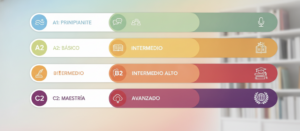
First, you need to understand your current ability. A language proficiency assessment can evaluate your skills against a recognized framework such as the CEFR. Automated placement tests can provide an initial estimate, while a qualified teacher can assess less easily measured abilities such as spontaneous speaking and interaction.
Once you know your approximate level, set clear language learning goals. Are you preparing for a trip, an exam, a presentation, or conversations with friends abroad? Choose a goal you can measure, such as becoming able to hold a five-minute conversation about a familiar topic within a realistic period.
| CEFR Level | Skill Description | Typical Learning Goal |
|---|---|---|
| A1–A2 | Understand basic phrases and introduce yourself | Order food, ask for directions, and handle simple travel situations |
| B1–B2 | Handle everyday conversations and express opinions | Discuss work topics, follow suitable media, and write clear emails |
| C1–C2 | Communicate fluently and understand nuanced meaning | Give presentations, discuss complex subjects, and read demanding texts |
Step 2: Choose Methods and Tools That Adapt to You
With your goals in mind, choose learning methods that can be adjusted to your needs. AI language learning tools may adapt practice activities based on your answers and progress, helping you avoid material that is consistently too easy or too difficult.
Useful features may include speech recognition, spaced repetition, and immediate grammar feedback. Treat these as supplementary practice rather than a complete replacement for meaningful interaction. Regular sessions with a qualified teacher can provide personalized explanations, speaking practice, and feedback that automated tools may miss. At Your Native Teacher, learners can work online with qualified teachers and receive guidance based on their level and goals.

Step 3: Build a Learning Plan Around Your Interests
Staying motivated is easier when you learn about subjects you enjoy or need in real life. Create a study plan that includes relevant topics such as football, cooking, travel, or your profession. Self-paced language learning gives you room to choose suitable materials rather than relying only on generic dialogues.
Find programmes, articles, podcasts, or music in your target language on topics you enjoy. Use flashcards to review new words and focused exercises to practise useful grammar and phrases. A flexible weekly plan may work better than an inflexible daily target because it allows you to study more on free days and less when you are busy.
Step 4: Track Progress and Adjust Regularly
Tracking your progress helps you identify what is working and where you need more support. Apps may show data about vocabulary reviews, practice time, or completed activities, while a teacher can evaluate communication skills that are harder to measure automatically.
Review this information every few weeks and adjust your plan where necessary. If your listening is improving but you still struggle to use grammar accurately in conversation, devote more time to guided speaking and corrective feedback. Periodic assessments can also help you monitor broader progress without turning every study session into a test.
Key Benefits of Learning a Language Your Way
A personalized approach offers several advantages over a completely standardized course. When your study content relates to your goals and fits into your daily life, it is often easier to remain focused and use what you learn. Here are three important benefits.
More Focused Progress Through Relevant Content
Learning words and phrases that matter to you can make them easier to remember and use. Instead of spending most of your time on textbook chapters unrelated to your needs, you can focus on language for work, travel, study, or conversations with friends.
This targeted method can make your study time more efficient and support progress towards practical fluency.
Higher Motivation and Long-Term Engagement
Personalized lessons can help maintain your language learning motivation because you can see how studying connects to your life. Lessons may feel more engaging when they reflect your hobbies, career, studies, or travel plans.
Consistent motivation can help you continue through difficult stages and build sustainable learning habits over time.
Flexible Pace That Fits Your Schedule
A personalized plan allows you to learn at a suitable pace. Whether you have ten minutes or an hour available, you can:
- Move quickly through topics you already understand
- Spend more time on difficult grammar or communication skills
- Adjust independent practice around work or family commitments
With appropriate language learning progress tracking, you can monitor improvement without feeling unnecessarily rushed. Regular teacher feedback can also ensure that flexibility does not come at the expense of structure or accuracy.
Conclusion
Generic courses often expect every learner to follow the same path. A personalized learning path, by contrast, shapes the focus, pace, and practice activities around your level and goals.
The four-step process is straightforward. First, assess your current ability. Then, choose suitable methods and tools. Next, build lessons around relevant topics. Finally, track your progress and adjust your plan when needed.
This approach can make language learning more engaging and practical. You spend more time practising the language you are likely to use while continuing to develop the core skills needed for balanced progress.
To begin, define your main goal and assess your starting point. You can then combine independent practice with structured online lessons and personalized feedback from a qualified teacher.
Instead of following a generic plan, create one that fits your needs and can evolve as your skills improve.